Top 10 Digital Conductivity Meters for Global Buyers

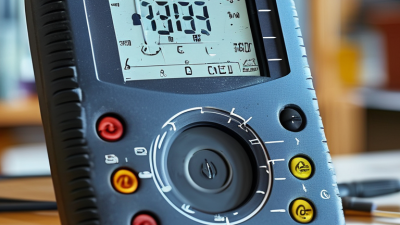
Choosing the right digital conductivity meter is rarely as simple as comparing prices on a product page. Global buyers must consider measurement range, cell constant, temperature compensation, calibration options, display clarity, and long-term service support. A meter used beside a clean laboratory bench faces different demands from one used near a wastewater tank, cooling tower, or food-processing line.

Dr. Daniel C. Harris, a respected analytical chemist and author of Quantitative Chemical Analysis, offers a useful principle: “A measurement is only as good as the method behind it.” That warning matters here. Even an advanced digital conductivity meter can produce unreliable results when the probe is dirty, the standard solution is expired, or the sample temperature changes rapidly. Small details matter.

This guide reviews ten models for international purchasers, with attention to practical performance rather than marketing language. We examine accuracy, conductivity range, automatic temperature compensation, calibration stability, waterproof construction, data handling, and replacement-probe availability. Regional voltage requirements and technical support also deserve attention, especially for laboratories ordering across borders.

Some rankings remain debatable. No single meter fits every application. A compact handheld model may be ideal for field sampling, yet unsuitable for continuous process monitoring. An economical unit may appear attractive until replacement sensors become difficult to source. Buyers should question specifications that lack test conditions or tolerance information. That extra caution can prevent expensive mistakes.

Look beyond the screen. Reliable results begin with the complete measurement system.
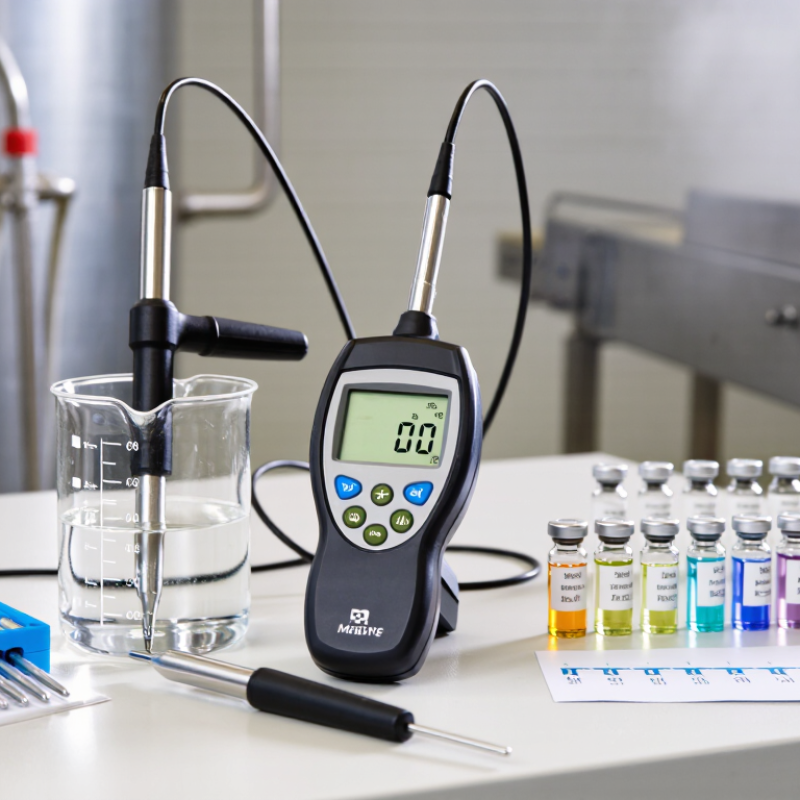
Top 10 Digital Conductivity Meters for Global Buyers

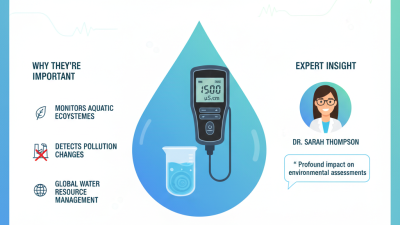
What Digital Conductivity Meters Measure and Why They Matter

Digital conductivity meters measure how easily a liquid carries an electrical current.

This property reflects the concentration of dissolved ions, such as salts, minerals, and acids. Results usually appear in microsiemens per centimeter or millisiemens per centimeter. Pure water conducts poorly. Seawater conducts strongly.

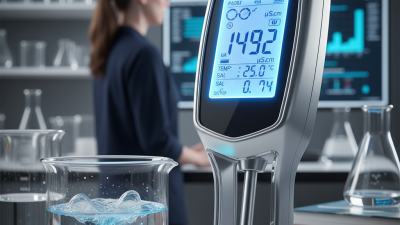
For global buyers, this measurement supports practical decisions in laboratories, water treatment, hydroponics, food processing, and manufacturing. A meter can reveal rising mineral content before equipment suffers scaling. It can also help check rinse water after cleaning. Temperature changes conductivity significantly, so automatic temperature compensation matters. Without it, two readings may look different even when the liquid has not changed. Calibration is essential. Still, calibration solutions can become contaminated, and users sometimes overlook the probe condition. That small mistake can weaken an otherwise reliable result.

Tips: Match the meter’s range to your samples. Rinse the probe with distilled water between tests. Remove trapped air bubbles by moving the probe gently. Store the sensor as instructed, not casually on a wet bench. Record temperature with every important reading.

A strong instrument should offer a clear display, stable readings, and a probe suited to the application. Field work also demands durable housing and simple battery checks. In my experience, ease of cleaning often matters more than extra features. A complicated meter may impress during purchase, then slow every daily test. Verify calibration regularly and question unusual results before adjusting a process.
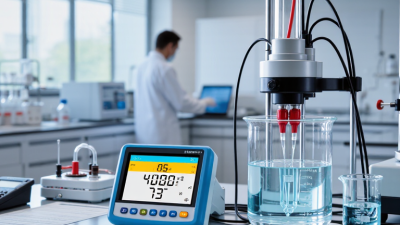
Key Specifications for Comparing Conductivity Meters Worldwide

Top 10 Digital Conductivity Meters for Global Buyers

Key Specifications for Comparing Conductivity Meters Worldwide

Choosing a digital conductivity meter starts with the sample, not the display. Clean water may require readings in microsiemens, while concentrated solutions need millisiemens or higher ranges. Check the full measurement range and resolution. A higher range is not automatically better.

Accuracy should be stated clearly, such as ±1% of the reading. Ask whether this applies across the entire range. Temperature compensation is equally important because conductivity changes with temperature. Automatic compensation saves time, but manual settings can improve control during controlled laboratory work. I have seen small temperature errors create surprisingly different results.

Look for selectable cell constants, especially when testing water, soil extracts, or process liquids. A reliable meter should support calibration with traceable standards and show calibration status. Two or three calibration points may improve confidence across a wide range. Still, poor sample cleaning can defeat precise electronics.

Practical details matter worldwide. Confirm the power system, language options, measurement units, and data export format. An IP-rated housing helps in wet work areas, but it does not make careless rinsing safe. A clear screen is valuable under bright factory lighting. Battery life should cover a full working shift.

Check the probe cable length.

Also inspect replacement availability.

For field teams, weight and shock resistance can matter more than advanced software. Data logging is useful, yet stored readings need timestamps and operator identification. Before purchase, compare the meter with a known reference solution. Results may expose weaknesses that specification sheets quietly omit.

Top 10 Digital Conductivity Meters for Global Buyers

Key specification benchmarks for comparing conductivity meters worldwide

This comparison uses representative, brand-neutral specification benchmarks across common conductivity-meter applications. Higher range coverage supports more demanding samples, while lower accuracy percentages indicate better measurement precision. Temperature compensation is commonly required because conductivity changes significantly with temperature.

Top 10 Digital Conductivity Meters and Their Distinctive Features

For global buyers, the best digital conductivity meters differ through practical details, not attractive screens. A pocket meter suits quick checks in tanks, laboratories, and field containers. Its small probe reaches narrow bottles, though tiny buttons can slow wet-handed work.

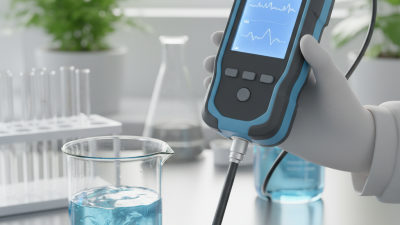
A portable meter adds a stronger case, replaceable electrodes, and automatic temperature compensation. This feature improves readings when samples change temperature. Benchtop models offer larger displays, stable stands, and clearer calibration controls. They work well beside water treatment benches.

A high-range meter handles concentrated solutions, while a low-range model detects small conductivity changes in purified water. Choosing the wrong range creates disappointing results.

A meter with data logging records time, temperature, and conductivity for later review. This helps technicians compare morning and afternoon samples. Wireless transfer reduces manual copying, but connection problems still deserve attention.

A waterproof meter protects against splashes during field testing. Check the actual protection rating, not only the sales wording. Multi-point calibration supports better accuracy across wider ranges. However, calibration quality depends on fresh standards and careful rinsing.

An automatic cell-recognition model simplifies setup, especially for busy operators. Still, automatic functions can hide poor probe maintenance.

A temperature-compensated unit is useful in changing environments, although compensation cannot repair a dirty electrode.

Look for readable units, replaceable sensors, battery information, and a clear accuracy statement. Small omissions matter.

Experienced users should also test repeatability before trusting long-term records.

How to Match a Conductivity Meter to Industry and Testing Needs

Top 10 Digital Conductivity Meters for Global Buyers

How to Match a Conductivity Meter to Industry and Testing Needs

Choosing among the top ten digital conductivity meters starts with the sample, not the display. Pure water testing needs excellent resolution at low conductivity levels. Wastewater testing usually requires a broader range and a probe that resists fouling. Food and beverage facilities may prioritize quick cleaning, durable materials, and stable readings near processing areas. Range matters.

In field testing, temperature compensation often separates useful data from misleading numbers. Automatic compensation helps, but it cannot correct a damaged sensor or unsuitable reference temperature. Check the cell constant, calibration options, and compatibility with certified conductivity standards. A meter with data logging can strengthen traceability during audits and repeated production checks. Do not guess.

Laboratories may value interchangeable probes, USB export, and clear calibration records. Portable teams need sealed housings, readable screens, and batteries that survive long sampling days. In humid rooms, an appropriate ingress rating matters more than attractive software. I have seen instruments perform well on paper yet struggle with bubbles, residue, or cold samples. That weakness is easy to miss.

Before purchase, compare the expected conductivity range, sample temperature, cleaning method, and testing frequency. Ask whether operators can recognize unstable readings without advanced training. Verification should occur at regular intervals, with results recorded beside the meter’s identification details. A cheaper instrument can become expensive when recalibration, replacement probes, and inconsistent results slow production. Practical fit matters most.

Top 10 Digital Conductivity Meters for Global Buyers - How to Match a Conductivity Meter to Industry and Testing Needs

Rank Meter Type Typical Conductivity Range Typical Accuracy Temperature Capability Recommended Cell Best-Fit Industry or Test Key Selection Requirement
1 Ultrapure Water Conductivity Meter 0.055–20 µS/cm Typically ±0.5% of reading 0–100 °C, with temperature compensation Low-cell-constant cell, commonly K = 0.01 or 0.1 cm⁻¹ Pharmaceutical water, semiconductor rinsing, laboratory ultrapure water Very low measurement drift, clean sample handling, and accurate temperature compensation
2 Purified Water Conductivity Meter 0.1–200 µS/cm Typically ±1.0% of reading 0–80 °C K = 0.1 cm⁻¹ cell Reverse-osmosis water, distilled water, laboratory quality control Stable readings at low conductivity and simple automatic temperature correction
3 General Laboratory Conductivity Meter 0.1 µS/cm–200 mS/cm Typically ±1.0% of reading 0–100 °C Interchangeable cells, K = 0.1, 1.0, or 10 cm⁻¹ Routine laboratory testing, education, chemical preparation Broad range, calibration flexibility, selectable reference temperature, and data storage
4 Wastewater Conductivity Meter 10 µS/cm–1,000 mS/cm Typically ±1.0–2.0% of reading 0–80 °C Robust K = 1.0 or 10 cm⁻¹ cell Municipal wastewater, industrial effluent, process water monitoring Fouling resistance, easy cleaning, wide range, and durable housing
5 Portable Field Conductivity Meter 0.1 µS/cm–200 mS/cm Typically ±1.0% of reading 0–60 °C Sealed, temperature-compensated combination cell Environmental surveys, water treatment, field sampling IP-rated protection, rechargeable battery, readable display, and field calibration
6 Food and Beverage Conductivity Meter 10 µS/cm–200 mS/cm Typically ±1.0% of reading 0–100 °C Sanitary, corrosion-resistant K = 1.0 cm⁻¹ cell Brine, beverage water, cleaning-in-place verification, food process liquids Hygienic probe design, fast stabilization, washable surfaces, and suitable temperature correction
7 Hydroponics and Nutrient Solution Meter 0–20 mS/cm Typically ±2.0% of full scale 0–50 °C K = 1.0 cm⁻¹ cell Hydroponics, irrigation, greenhouse nutrient management Simple EC display, optional TDS conversion, automatic temperature compensation, and easy cleaning
8 Boiler and Cooling-Water Meter 1 µS/cm–100 mS/cm Typically ±1.0% of reading 0–100 °C; higher temperatures require suitable sampling K = 0.1 or 1.0 cm⁻¹ cell Boiler feedwater, cooling towers, steam systems, utility maintenance High-temperature compatibility, reliable low-level readings, and alarm or data-logging functions
9 High-Conductivity Industrial Process Meter 1 mS/cm–1,000 mS/cm Typically ±1.0–2.0% of reading 0–150 °C with appropriate process installation High-range K = 10 cm⁻¹ or inductive cell Chemical processing, concentrated salt solutions, industrial wastewater Resistance to polarization, chemically compatible materials, and continuous process integration
10 Multiparameter Conductivity, TDS, Salinity and Temperature Meter 0.1 µS/cm–200 mS/cm Typically ±1.0% of reading 0–100 °C Interchangeable cell selected for the expected range Environmental water, aquaculture, laboratories, and general water-quality testing Selectable units, salinity and TDS algorithms, automatic calibration, and exportable records

Note: The specifications shown are representative selection ranges for digital conductivity meter categories. Actual performance depends on cell constant, calibration standards, sample temperature, chemical compatibility, and installation conditions.

Buying, Calibration, and Maintenance Considerations for Global Buyers

Choosing a digital conductivity meter starts with the sample, not the catalog price. I check the expected conductivity range, temperature, electrode material, and required resolution. A wastewater buyer may need rugged housing, while a laboratory needs stable readings near low conductivity levels. Confirm regional power compatibility, replacement probe availability, and clear operating instructions. Hidden costs often appear later.

Calibration should match the working range and the manufacturer’s stated procedure. Use fresh, traceable conductivity standards at a controlled temperature. Rinse the probe with deionized water, then blot it gently. Do not wipe the sensing surface aggressively. Record the standard value, temperature, date, and operator. I prefer two-point calibration when measurements cover a wide range. One point may look adequate, but it can hide errors.

Maintenance is simple, yet easy to neglect. After each use, rinse away salts and process residue before they dry. Inspect cables, seals, and connectors for cracks or moisture. Store the probe according to its design; deionized water is not suitable for every sensor. Keep a service log with drift, failed checks, and unusual readings. Small details matter. In field work, I have seen clean-looking probes produce unstable results after careless storage. No meter stays accurate forever. Recheck performance after transport, extreme temperatures, or a damaged probe, and question any result that conflicts with the process.