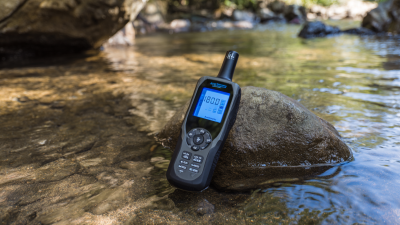
Why Choose a Hach Conductivity Meter?
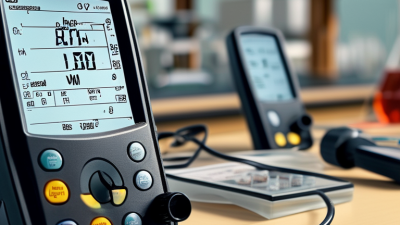
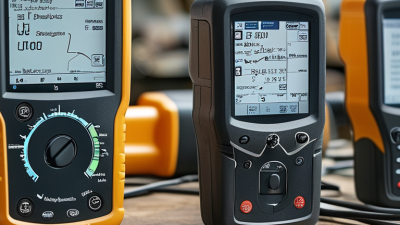
Choosing the right conductivity instrument can shape the quality of daily water testing. A hach conductivity meter offers a practical way to measure ionic strength, salinity, and conductivity across laboratory and field applications. Its value depends on more than a clear display. Probe design, temperature compensation, calibration control, and measurement range also influence dependable results.
In a working laboratory, small details matter. A technician may rinse the probe, place it in a sample cup, and wait for the reading to stabilize. Automatic temperature compensation can help when samples change from room temperature to chilled process water. Clear menus can reduce training time, especially during repeated checks. Data storage or transfer features may also support traceable records, when configured correctly.
Still, no meter removes the need for careful technique. A dirty cell can distort results. Poor calibration can create confidence without accuracy. That is uncomfortable, but important. Users should match the hach conductivity meter to their sample type, expected range, testing frequency, and documentation requirements. Independent verification may be sensible for regulated or high-consequence measurements. The best choice is not always the most feature-rich model. It is the instrument that staff can operate consistently, maintain properly, and understand when readings look unusual. Performance should be judged in real conditions, not only in a product brochure. This guide examines those practical considerations, while recognizing that every laboratory has different priorities.
Understanding Conductivity Measurement and Its Role in Water Analysis
Conductivity measurement shows how easily water carries an electrical current. Dissolved ions, such as chloride, sodium, and sulfate, increase this response. The USGS National Field Manual identifies specific conductance as a useful field indicator for changing water chemistry. It can reveal saline intrusion, fertilizer runoff, or industrial discharge before laboratory results arrive.
A reliable meter should provide stable readings, automatic temperature compensation, and a probe suited to the sample range. Temperature matters greatly. Conductivity commonly changes by about 2% per degree Celsius, depending on water chemistry. The WHO Guidelines for Drinking-water Quality, 2022, do not set a health-based conductivity limit. However, they discuss total dissolved solids and note that taste can become unacceptable above roughly 1,000 mg/L. The US EPA lists 500 mg/L as a secondary standard for total dissolved solids. Conductivity can estimate this value, but it cannot replace direct laboratory testing.
The details are easy to underestimate. A probe with trapped air bubbles may produce unstable numbers. Poor rinsing can carry ions from one sample into the next. Field experience also exposes an uncomfortable truth: a neat digital value may still be wrong. Calibration solutions, temperature records, and duplicate measurements support more defensible decisions. ASTM D1125 provides standardized procedures for measuring water conductivity. Still, operators should question unusual results, inspect the sensor, and compare readings with alkalinity, pH, and laboratory data.
How Hach Meters Improve Testing Accuracy and Consistency
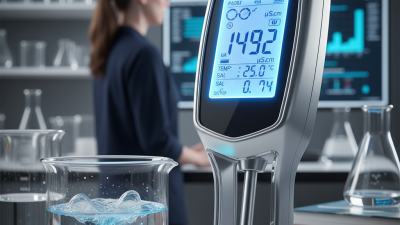
Conductivity testing often looks simple: place a probe in a sample and read the number. In practice, small details can shift results. Temperature, residue, bubbles, and unstable sample volume may affect the measurement. A well-designed conductivity meter helps technicians control these variables with automatic temperature compensation, clear prompts, and stable signal processing.
In routine water testing, consistency begins before the reading. I rinse the probe with deionized water, remove droplets, and wait for the value to settle. The meter can guide this process through repeatable calibration steps and stored methods. Technicians can use the same standard, range, and temperature settings across different shifts. This reduces personal judgment and makes results easier to compare. Records can also include calibration dates, sample IDs, and operator notes.
Accuracy is not guaranteed by the instrument alone. That is worth remembering. A dirty cell, expired standard, or rushed rinse can still produce a convincing number. Regular verification against a known standard can reveal gradual drift before it affects process decisions. However, verification has limits when standards are stored incorrectly. Combining careful technique with dependable meter controls makes testing more repeatable, auditable, and useful for quality decisions.
Selecting the Right Hach Conductivity Meter for Your Application
Selecting the right conductivity meter begins with the sample, not the display. A field technician may need a waterproof handheld unit near a cooling tower. A laboratory analyst may prefer a benchtop model with stable temperature control. Measure expected conductivity first. Pure water and concentrated process solutions demand different sensor ranges. A meter that struggles near either limit can produce misleading readings.
Match the cell constant to the measurement range and sample chemistry. Low-conductivity water often requires a sensitive cell and careful cable handling. High-conductivity brine may need a different cell to prevent unstable results. Temperature compensation is equally important. Automatic compensation saves time, but it cannot correct a poorly chosen reference temperature. Check whether the instrument records raw conductivity and compensated values. That detail helps during audits and troubleshooting. In my experience, operators often overlook cleaning access. A sensor coated with scale can drift before anyone notices.
Choose controls that match the user's routine. Gloved technicians need large buttons and a readable screen. A plant may benefit from data logging, calibration reminders, and replaceable probes. A small laboratory may value repeatability over wireless features. Verify calibration with fresh, traceable standards at the working temperature. Keep the standard container clean. Results can change when the solution is contaminated or too old. I would not rely on automatic settings without reviewing the first readings. They are convenient. They are not infallible. Record sample temperature, cell condition, and calibration date beside critical results.
Selecting the Right Conductivity Meter for Your Application
Conductivity varies by several orders of magnitude across water and process applications. A suitable meter should cover the expected range, provide appropriate cell sensitivity, and support temperature compensation. The values below are representative conductivity levels at approximately 25°C.
Use low-range measurement capability for ultrapure and purified water, mid-range capability for drinking water and wastewater, and high-range capability for seawater and concentrated brine. Actual readings depend on temperature, dissolved solids, sample composition, and measurement conditions.
Using and Maintaining a Hach Conductivity Meter Effectively
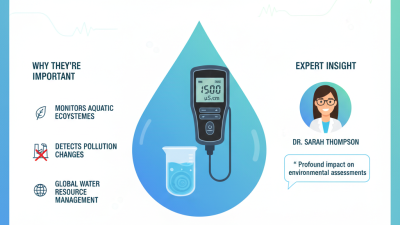
Why Choose a Conductivity Meter?
Using and maintaining a conductivity meter effectively requires routine, not guesswork. In daily water testing, I calibrate the probe with a certified standard near the expected sample range. I also check the temperature sensor before recording results. Temperature matters because conductivity can change by about 2% per degree Celsius in many aqueous solutions. That small shift can distort trend data. Bubbles on the sensor create another quiet problem. Tap the probe gently, then wait for a stable reading.
The World Health Organization’s 2022 drinking-water guidance states that total dissolved solids below 600 mg/L are generally considered palatable. Above 1,000 mg/L, water often becomes less acceptable. Conductivity does not equal total dissolved solids, but it can provide a useful field estimate after site-specific correlation. The United States Environmental Protection Agency’s Method 120.1 also emphasizes temperature control and proper calibration for conductivity measurements. These details support reliable decisions in laboratories, treatment facilities, and process areas.
After testing, rinse the cell with deionized water and inspect it for residue. Do not wipe sensitive electrodes aggressively. Store the probe according to its manufacturer instructions, because storage errors can shorten sensor life. I have learned that “clean” is not always clean enough. A thin film from detergents may remain invisible yet change the next result. Review calibration slope, standard expiration dates, and unusual drift. Record everything. A missed note today can become a confusing investigation next month.