Top Hach HQD Portable Meter Suppliers for Global Buyers
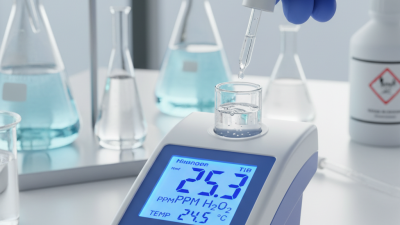
Choosing a hach hqd portable meter supplier requires more than comparing online prices. Global buyers need dependable instruments, responsive support, and clear evidence of product authenticity. A suitable supplier should explain calibration routines, electrode compatibility, warranty terms, and delivery conditions before accepting an order.
Dr. Jamie Bartram, a widely recognized water-quality expert, has said, “Reliable decisions require reliable measurements.” This principle fits field testing closely. A technician may work beside a river, at a treatment plant, or inside a crowded laboratory. The meter must produce stable readings despite movement, temperature changes, and demanding schedules. Small details matter. A cracked carrying case can delay sampling. A missing calibration solution can interrupt a full inspection.
This guide examines top hach hqd portable meter suppliers serving international buyers. It considers technical knowledge, regional availability, after-sales assistance, documentation, and purchasing transparency. Strong suppliers should identify genuine Hach products and provide practical guidance for pH, conductivity, dissolved oxygen, or ion-selective measurements. They should also discuss replacement probes and routine maintenance, not only the initial sale.
Yet no supplier is perfect. Some websites look professional but provide limited technical information. Others promise fast delivery without explaining customs responsibilities or local service options. Buyers should question those gaps. A careful comparison may take longer, but it reduces avoidable costs and unreliable results. The best supplier is not always the cheapest. It is the one that supports accurate work after the meter arrives.
Hach HQD Portable Meter Series: pH, ORP, DO, and Conductivity Capabilities
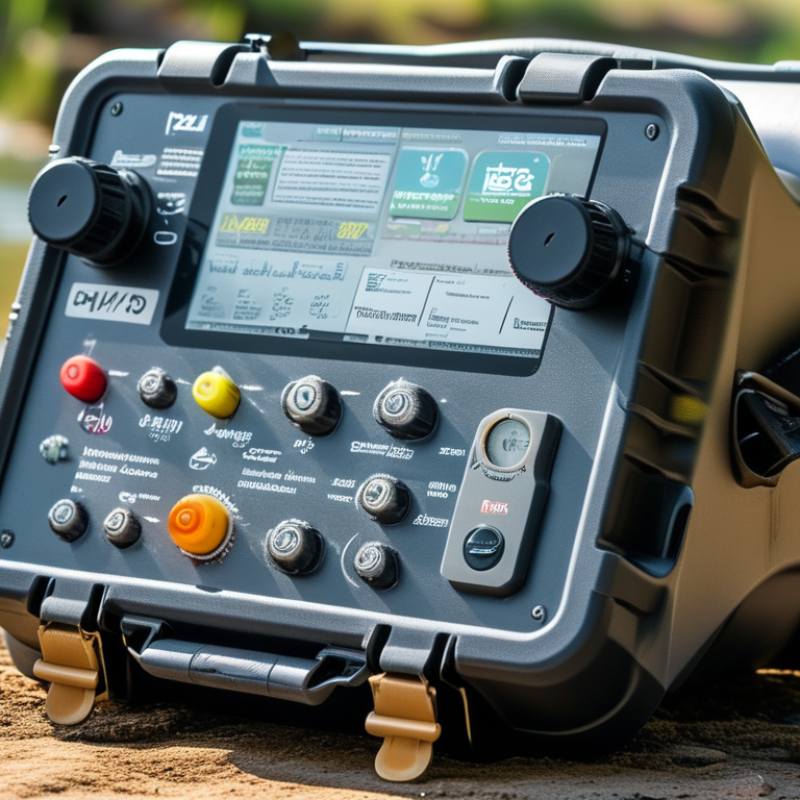
Portable Meter Capabilities for Global Water Testing
Field teams need more than a compact instrument. They need dependable pH, ORP, dissolved oxygen, and conductivity readings under changing conditions. The WHO/UNICEF Joint Monitoring Programme reported that 2.2 billion people lacked safely managed drinking water in 2022. Reliable field measurements therefore support faster decisions at treatment sites, wells, laboratories, and industrial facilities.
A practical supplier should provide traceable calibration, replacement probes, temperature compensation, and clear maintenance procedures. pH testing commonly uses the 6.5–8.5 range referenced by U.S. drinking-water guidance. ORP helps operators observe oxidation conditions, while dissolved oxygen reveals aeration performance and biological activity. Conductivity indicates dissolved ionic content, making it useful for process checks and contamination screening. Small details matter. Wet probes, unstable samples, and poor temperature control can distort results.
The International Organization for Standardization emphasizes documented measurement procedures and calibration control across laboratory work. Buyers should request calibration certificates, uncertainty information, ingress protection data, and real-world battery performance. A supplier may advertise high accuracy, yet field reliability can still disappoint. I would test the meter beside a trusted reference instrument across cold water, turbid samples, and low-conductivity water before approving large purchases.
Top Hach HQD Portable Meter Suppliers for Global Buyers - Hach HQD Portable Meter Series: pH, ORP, DO, and Conductivity Capabilities
| Measurement Capability |
Typical Measurement Range |
Common Resolution |
Typical Accuracy |
Calibration Options |
Typical Applications |
| pH |
pH 0 to 14 |
0.001 pH |
Approximately ±0.002 pH, depending on electrode and conditions |
Two- or three-point calibration using standard buffer solutions |
Drinking water, wastewater, laboratory testing, food and beverage processing |
| ORP / Redox Potential |
−1,500 to +1,500 mV |
0.1 mV |
Approximately ±0.2 mV, excluding electrode effects |
Single-point verification with a certified ORP standard |
Disinfection control, oxidation-reduction studies, chemical treatment and environmental monitoring |
| Dissolved Oxygen (DO) |
0 to 20 mg/L; 0 to 200% saturation |
0.01 mg/L or 0.1% saturation |
Approximately ±0.1 mg/L below 8 mg/L, depending on probe and temperature |
Air-saturated water, water-saturated air or zero-point calibration |
Aeration tanks, aquaculture, surface water, boiler systems and biological treatment |
| Conductivity |
0.01 µS/cm to 200 mS/cm, depending on the cell |
Automatic range selection; resolution varies by measurement range |
Approximately ±0.5% of reading, depending on cell constant and temperature |
One-point calibration with certified conductivity standards |
Purified water, wastewater, salinity testing, process control and quality assurance |
| Temperature Compensation |
Typically 0 to 50°C, depending on probe design |
0.1°C |
Approximately ±0.3°C with a calibrated temperature sensor |
Temperature verification against a traceable reference thermometer |
Compensation of pH, DO and conductivity measurements in changing field conditions |
Note: Measurement ranges and performance values are representative of commonly specified portable electrochemical instruments; actual performance depends on the connected probe, calibration standard, sample matrix and operating temperature.
Global Compliance Benchmarks: EPA Methods, ISO 10523, and IP67 Protection
For global buyers, portable pH meter suppliers should prove compliance, not merely display a specification sheet. The WHO/UNICEF Joint Monitoring Programme 2023 update reported that 2.2 billion people lacked safely managed drinking water in 2022. Reliable field measurements therefore support public health decisions, especially where laboratory access is limited. Suppliers should identify whether their instruments support applicable EPA procedures, such as EPA Method 150.1, and provide calibration records using traceable buffers.
ISO 10523 defines principles for measuring pH in water, including calibration, temperature effects, electrode handling, and reporting. It does not automatically replace local regulatory methods. That distinction matters. A supplier with technical staff should explain method compatibility, uncertainty, and maintenance intervals in plain language. Look for two- or three-point calibration guidance, automatic temperature compensation, and downloadable data records. Small details matter.
IP67 protection indicates dust-tight construction and temporary immersion up to one metre for 30 minutes under IEC 60529 testing. It is not permanent waterproofing. I would not treat the rating as invincibility. Salt spray, dropped probes, frozen samples, and damaged seals can still compromise results. Suppliers serving international buyers should provide ingress-test evidence, service procedures, spare electrodes, and regional training. A low purchase price may look efficient, but poor verification can create expensive retesting and questionable decisions. That is the uncomfortable part.
This chart summarizes key numeric procurement benchmarks for portable pH meters: the conventional pH scale associated with EPA Method 150.1, the pH measurement range specified by ISO 10523, and the protection limits defined by the IP67 rating. The values use their original units and are not intended as a comparative performance score.
References: U.S. EPA Method 150.1 for electrometric pH measurement; ISO 10523:2012 for pH determination in water, measurement range pH 2–12; IEC 60529 IP67 protection classification, including dust-tight protection and temporary immersion up to 1 m for 30 minutes.
Worldwide Sourcing Comparison: Distribution Reach, Lead Times, and Local Support
Global buyers comparing portable water-quality meter suppliers should examine distribution reach beyond warehouse location. A regional distributor may offer faster delivery than a distant manufacturer. However, stock claims need verification. Request dated inventory records, not general availability statements.
Lead times vary with sensor configuration, calibration requirements, and export documentation. Standard meters may ship within one week from established regional warehouses. Customized kits can require several weeks. Ask for a written production schedule, dispatch point, and tracking process. Include spare probes and cables in the same quotation. Small omissions often create costly delays.
Local support can matter more than the lowest unit price. Trained technicians should explain calibration, maintenance, and measurement error. Confirm service languages, response hours, replacement-part access, and warranty handling before ordering. A useful supplier can provide sample certificates and clear operating procedures. Test support before purchase with practical questions about temperature compensation and field storage. Slow replies are a warning sign. Yet no supplier performs perfectly; even strong partners may face seasonal shortages or uncertain customs clearance. Build buffer time into the project plan. Review the comparison after the first shipment, because promised performance and actual support may differ.
Buyer Checklist: Total Cost, Replacement Probes, Training, and After-Sales Service
Choosing a portable water-quality meter supplier requires more than comparing catalog prices. Experienced buyers examine the total cost across several years. Include the meter, probes, calibration solutions, batteries, software, shipping, taxes, and technician time. A low initial price may become expensive when replacement parts arrive slowly or require overseas shipping.
Replacement probes deserve special attention. Ask how long common probes last under daily field use. Confirm storage requirements, warranty coverage, and local availability. Request written pricing for electrodes and cables, not estimates. Training also matters. Good suppliers provide clear setup guides, practical demonstrations, and troubleshooting support. A short training session can prevent incorrect readings, wasted samples, and repeated site visits.
Tips:
Ask for a complete five-year cost sheet. Test sample data before purchase. Check calibration records and service response times. Speak with two existing users if possible. Do not assume every probe fits every meter. I have seen buyers overlook connector compatibility, then discover that a small part delayed fieldwork for weeks. That mistake is avoidable, but supplier promises should still be verified in writing. After-sales support should include response targets, repair procedures, firmware guidance, and access to trained technicians. Local support is helpful, though not always better. Reliability depends on documented processes, not friendly sales conversations.