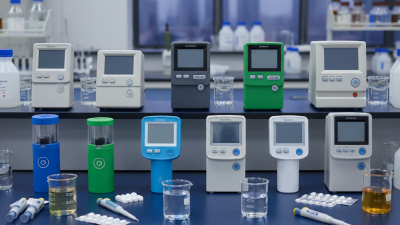
What is a Free Chlorine Colorimeter and How Does It Work?
The importance of monitoring free chlorine levels in water treatment cannot be overstated. According to the World Health Organization, maintaining appropriate free chlorine concentration is crucial for safe drinking water. A free chlorine colorimeter is a key tool in this process. It allows for precise measurement of free chlorine, ensuring water quality standards are met.
These devices operate through colorimetric principles, providing reliable readings in various conditions. Industry data reports highlight that using a free chlorine colorimeter can improve testing accuracy by up to 30%. As water safety regulations become stricter, reliance on such technology will likely increase. Many facilities, however, struggle with maintaining operational accuracy, leading to potential water quality issues.
Inconsistent calibration and user error can affect results. Regular training and calibration are essential for maximizing the effectiveness of free chlorine colorimeters. Despite the challenges, the reliability of this tool remains evident in its widespread use among professionals. Addressing shortcomings in training and maintenance can significantly enhance water quality management.
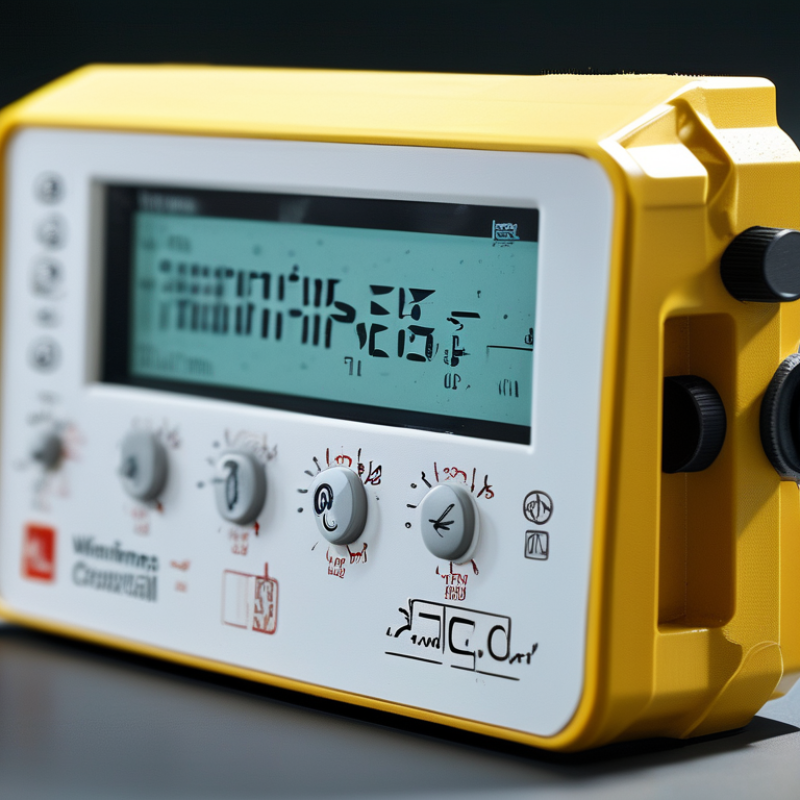
What is Free Chlorine and Its Importance in Water Testing?
Free chlorine is a key component in water testing. It acts as a disinfectant, eliminating harmful pathogens. In drinking water, adequate levels of free chlorine ensure safety for human consumption. Testing for free chlorine helps water treatment plants maintain healthy water supplies. It also supports recreational water facilities in providing safe swimming environments.
The importance of monitoring free chlorine cannot be overstated. Insufficient levels can lead to bacteria proliferation. Conversely, excessive chlorine can produce harmful byproducts. Regular testing using a colorimeter helps achieve a balance. A colorimeter measures the intensity of color developed in a water sample after reacting with a reagent. This method offers reliable and accurate results for water quality.
However, challenges persist in consistently obtaining precise measurements. Variations in sample handling or interference from other substances can lead to inaccuracies. It’s vital to regularly calibrate equipment and follow best practices. Users must recognize that while technology aids in testing, human error remains a factor. Continuous education on water testing techniques is crucial for achieving reliable results.
Free Chlorine Levels in Different Water Sources
This chart illustrates the levels of free chlorine in various water sources, highlighting the importance of monitoring chlorine levels to ensure water safety. The data demonstrates the recommended free chlorine concentration for drinking water and swimming pools versus the measured concentrations from different sources.
Understanding the Functionality of a Free Chlorine Colorimeter
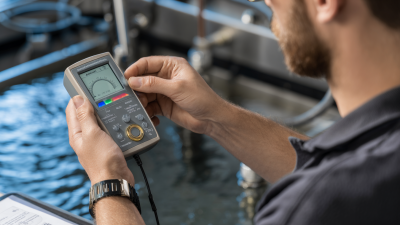
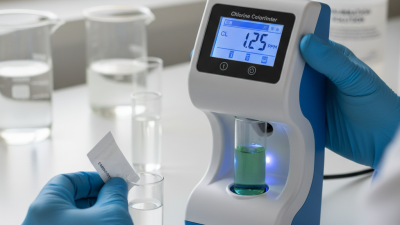
A free chlorine colorimeter is a precision instrument designed to measure chlorine levels in water. It works by passing light through a water sample, where the chlorine reacts with a specific reagent. This reaction produces a colored compound proportional to the chlorine concentration. The device then quantifies this color intensity, offering accurate measurements that are crucial for various applications, including pool maintenance and drinking water safety.
Understanding how a free chlorine colorimeter functions is vital for professionals in water quality management. The accuracy of readings is affected by environmental factors such as temperature and pH. Regular calibration is necessary to ensure reliable results. Users must be aware of potential interferences from other substances that may alter measurements. Despite its user-friendly design, the operator's understanding of the chemistry involved is essential for interpreting results correctly. There is a learning curve that users must navigate to maximize the tool's efficiency.
Key Components and Technology Behind Colorimetric Analysis
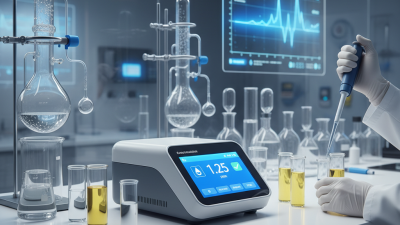
Colorimetric analysis is a powerful method used for measuring free chlorine levels in water. A free chlorine colorimeter relies on specific chemical reactions to quantify chlorine concentration. The core technology involves the use of light absorption principles. When a water sample is processed, a reagent reacts with free chlorine, producing a colored compound. This color intensity is measured using a photometric sensor, providing accurate readings.
Key components of a colorimeter include a light source, a flow cell, and a detector. The light source illuminates the sample, and the detector analyzes the light transmitted through the sample.
According to a 2022 industry report, colorimetric testing remains one of the most accurate methods for free chlorine analysis, achieving over 95% accuracy in various water matrices. The operational simplicity makes it ideal for fieldwork and laboratory settings.
Despite its advantages, the colorimetric method is not flawless. Operator skill and sample interference can affect results. For instance, particulate matter in the water may distort color readings. There is ongoing research aimed at minimizing these interferences, highlighting the importance of continuous innovation in water testing technologies. Regular calibration and maintenance of colorimeters are crucial for reliable outcomes.
Step-by-Step Guide to Using a Free Chlorine Colorimeter
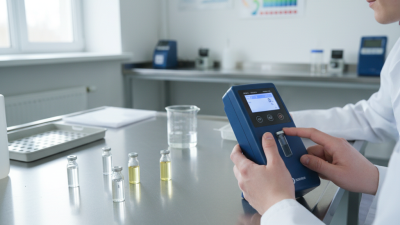
Using a free chlorine colorimeter is essential for water quality analysis. This instrument helps in determining the free chlorine levels in water samples. Proper usage ensures accurate readings essential for maintaining safe water conditions.
Begin by collecting your water sample in a clean, clear container. Make sure the container is free from any contamination. Next, turn on the colorimeter and allow it to warm up for a few minutes. Calibration is critical here. Using a standard solution, calibrate the device to ensure its accuracy.
Once calibrated, add the appropriate reagents to your sample according to the provided instructions. The chemical reaction will produce a color change in the water sample. Place the sample in the colorimeter’s compartment and close the lid. Wait for a few seconds for the device to analyze the sample. The display will show the free chlorine concentration. If the reading seems off, consider revisiting the calibration step. Accurate measurements can sometimes require reflection on previous steps taken.
What is a Free Chlorine Colorimeter and How Does It Work? - Step-by-Step Guide to Using a Free Chlorine Colorimeter
| Parameter |
Description |
Value |
| Measurement Range |
Typical range for free chlorine |
0.1 - 5.0 mg/L |
| Sample Volume |
Amount of water needed for measurement |
10 mL |
| Detection Method |
Technology used for detection |
Spectrophotometry |
| Calibration Frequency |
How often to calibrate the colorimeter |
Weekly |
| Typical Accuracy |
Accuracy of the colorimeter readings |
± 0.02 mg/L |
| Maintenance Requirements |
Regular maintenance tasks |
Cleaning of optical components |
Interpreting Results: Understanding Free Chlorine Levels and Safety
Understanding free chlorine levels in water is crucial for safety.
Free chlorine is a disinfectant that helps kill harmful microorganisms. However, too much free chlorine can be harmful to humans and aquatic life. A colorimeter measures the concentration of free chlorine, making it a valuable tool for ensuring water quality.
When interpreting results, look for a balance. Ideal free chlorine levels typically range from 1 to 3 parts per million (ppm) for safe swimming. Levels below 1 ppm may not effectively disinfect the water. Conversely, levels above 5 ppm can cause irritation. Knowing your specific needs is essential, as different facilities or environments may require different levels.
Consider regular testing. Frequent checks help monitor fluctuations in chlorine levels. This is especially important after heavy rainfall or increased bathers. Remember, accuracy matters. Ensure your colorimeter is calibrated properly for reliable results. Regular maintenance fosters consistent performance and trust in your data.