What is a Hydrogen Peroxide Test Meter and How Does It Work?
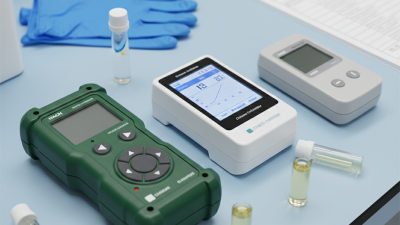
The hydrogen peroxide test meter is an essential tool for various industries. It measures the concentration of hydrogen peroxide in different solutions. Knowing the exact amount is crucial for safety and effectiveness.
Accuracy is paramount when using a hydrogen peroxide test meter. These meters work by analyzing light absorption in a solution. A high reading can indicate potential hazards. Conversely, a low reading might mean inadequate sterilization. Users must ensure proper calibration for reliable results.
However, not all meters yield perfect readings. Factors like temperature and sample purity can affect accuracy. Users should periodically check their meters to maintain performance. Understanding these limitations is vital for effective use of a hydrogen peroxide test meter.
What is a Hydrogen Peroxide Test Meter?
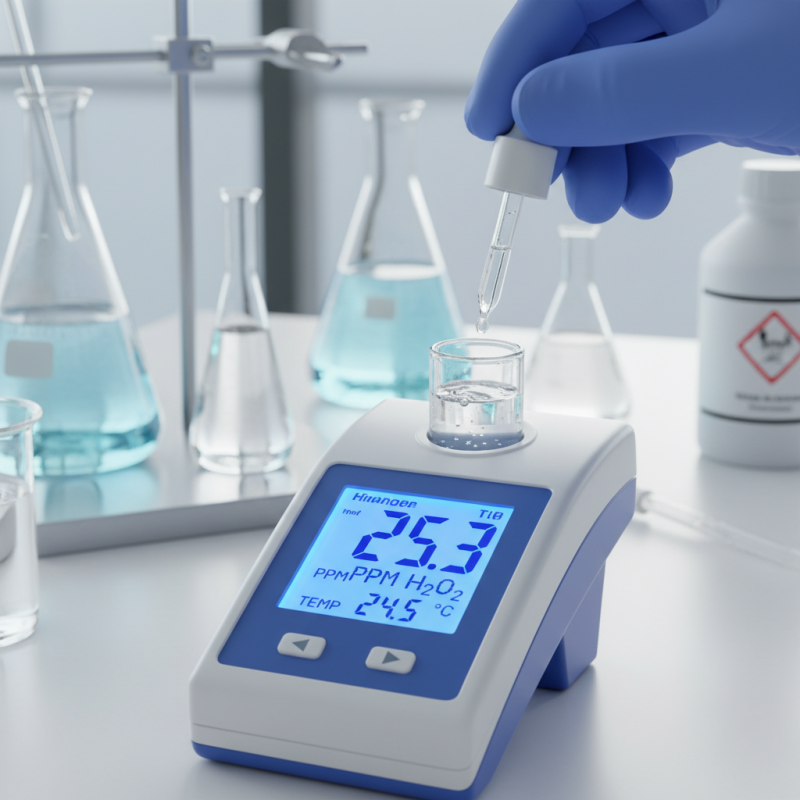
A Hydrogen Peroxide Test Meter is a crucial tool in various sectors, including healthcare, food safety, and environmental monitoring. This device measures the concentration of hydrogen peroxide in different solutions, allowing professionals to ensure safety and efficacy. Hydrogen peroxide is widely used for its disinfectant properties. Precision in measuring its concentration is vital for achieving optimal results.
The meter operates on the principle of electrochemical detection. As hydrogen peroxide interacts with electrodes, a measurable current is produced. This current correlates with the hydrogen peroxide level. Recent industry reports indicate that the demand for testing devices, like hydrogen peroxide meters, is projected to grow by 4% annually. This rise reflects the increasing need for effective sanitation methods in medical and food industries.
Despite the reliability of hydrogen peroxide test meters, there are limitations. Not all meters can detect low concentrations accurately. In addition, environmental factors, such as temperature and pH, can affect readings. Users must regularly calibrate their devices to maintain accuracy. Regular audits and training are essential to address these challenges.
What is a Hydrogen Peroxide Test Meter and How Does It Work?
| Feature |
Description |
| Purpose |
To measure the concentration of hydrogen peroxide in various solutions. |
| Working Principle |
It typically uses electrochemical sensor technology to provide accurate readings. |
| Common Uses |
Used in laboratories, medical settings, and food safety monitoring. |
| Advantages |
Provides quick and accurate readings; easy to use; portable. |
| Calibration |
Requires regular calibration for optimal accuracy, often using standard solutions. |
| Maintenance |
Should be kept clean and stored properly to prolong lifespan. |
Key Components of a Hydrogen Peroxide Test Meter
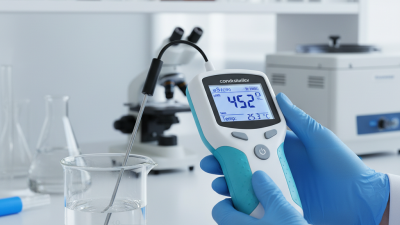
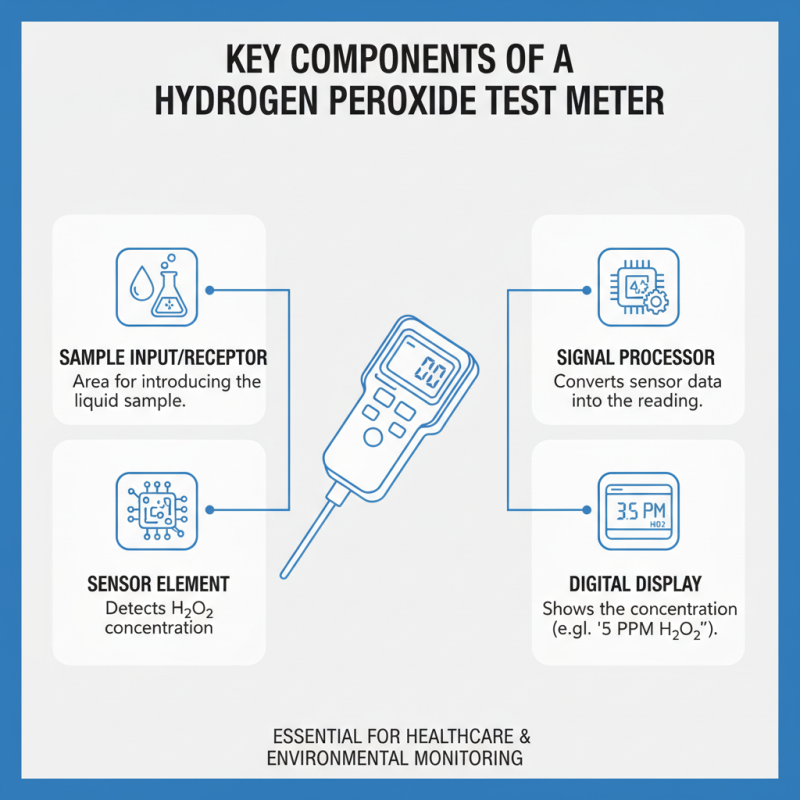
Hydrogen peroxide test meters are essential tools in various fields, including healthcare and environmental monitoring. They measure the concentration of hydrogen peroxide in a given sample. A typical meter consists of several critical components that ensure accurate readings.
The sensor is a vital element. It detects the presence of hydrogen peroxide by reacting chemically with it. This reaction produces an electrical signal proportional to the concentration. The display unit shows the results in real-time, allowing users to make informed decisions. Another important component is the calibration mechanism. Regular calibration is necessary to maintain accuracy. Without proper calibration, results may be unreliable.
The meter's power source is equally important. It generally operates on batteries or an AC supply. Users often overlook battery life. A depleted battery can lead to erroneous readings. Thus, maintaining the power source is crucial for consistent performance. Additionally, the housing of the device should be robust enough to withstand various environmental conditions. A well-designed meter balances durability with portability, making it user-friendly. Understanding these components can enhance the effectiveness of hydrogen peroxide testing in diverse applications.
How Does a Hydrogen Peroxide Test Meter Work?
A Hydrogen Peroxide Test Meter is an essential tool in various industries. It measures the concentration of hydrogen peroxide in different solutions. Understanding how it works is crucial for accurate readings and effective usage in applications from food safety to personal care.
The meter uses a chemical reaction to detect hydrogen peroxide levels. A sample is placed in the device, which reacts with specific reagents. This reaction produces a color change. The intensity of the color correlates to the concentration of hydrogen peroxide. Precision is key; a small change can significantly affect results and decisions.
Keeping the meter calibrated enhances reliability. Regular maintenance ensures accurate readings. Improper use can lead to misleading results. Users should always follow the manufacturer's guidelines for calibration.
Tip: Avoid exposure to direct sunlight when storing the meter. This helps maintain its accuracy.
Another vital point is to understand the limitations of the device. Environmental factors, such as temperature, can affect measurements. Users need to account for these variables to achieve credible results.
Tip: Test in controlled environments whenever possible. This minimizes interference and maximizes accuracy.
Applications of Hydrogen Peroxide Test Meters in Various Industries
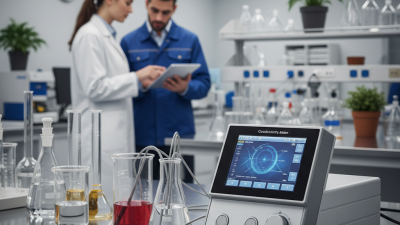
Hydrogen peroxide test meters are essential tools in various industries. They measure the concentration of hydrogen peroxide in solutions, ensuring safety and compliance. In healthcare, these meters play a critical role. They help maintain sterile environments by monitoring disinfectant levels. Hospitals and clinics rely on accurate readings to protect patients from infections.
In the food industry, hydrogen peroxide is often used as a sanitizer. Test meters ensure that the concentration is safe for food contact. This prevents harmful residues that could affect consumer health. In industries like water treatment, these meters help monitor disinfectant levels in treated water supplies. This helps maintain safe drinking water.
Tips: Regular calibration of test meters is vital for accuracy. Users should be familiar with the device's operational manual. Familiarity can reduce mistakes in readings. Practicing good hygiene while handling these solutions avoids contamination. Understanding the limits of each meter is essential. Not all meters are suitable for every task.
Applications of Hydrogen Peroxide Test Meters in Various Industries
This chart illustrates the usage of hydrogen peroxide in various industries, showcasing the versatility of hydrogen peroxide test meters in applications ranging from food and beverage to healthcare and industrial cleaning.
Importance of Accurate Measurement in Hydrogen Peroxide Testing
Accurate measurement in hydrogen peroxide testing is crucial in various industries. Precision in testing helps ensure safety and effectiveness. In the healthcare sector, accurate readings can mean the difference between effective sterilization and contamination. A small error can lead to serious health risks, particularly in medical facilities.
In laboratories, the quality of results depends on the accuracy of the test meter. When measuring hydrogen peroxide concentrations, even minor inaccuracies can skew research findings. This can affect everything from product development to regulatory compliance. Thus, understanding how a hydrogen peroxide test meter works is vital for those involved in these areas. Practitioners must be aware of potential pitfalls in measurement. Calibration, for instance, might require regular checks. If neglected, it introduces significant errors.
Moreover, the environment can impact readings. Factors such as temperature and humidity must be taken into account. Users should prioritize working in controlled conditions to yield reliable results. Therefore, investing time in proper measurement practices is essential. Ensuring the tools used are functioning correctly builds trust in the results produced.