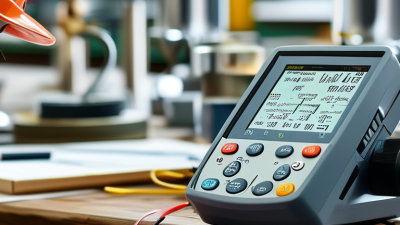
Top Tips for Choosing a Lab Conductivity Meter?
In the world of laboratory testing, choosing the right lab conductivity meter is crucial. Dr. Emily Johnson, a leading expert in analytical chemistry, emphasizes, "A precise conductivity meter can make or break your experiments." This highlights the importance of selecting a quality instrument tailored to your specific needs.
When considering a lab conductivity meter, various factors come into play. The accuracy, range, and ease of use are vital. A meter that does not provide reliable readings can lead to flawed results and wasted resources. Often, users overlook calibration and maintenance, which are essential for consistency.
Additionally, budget constraints can complicate decisions. While cheaper meters may seem appealing, they often lack the precision required for detailed analysis. Investing in a reliable, high-quality meter can save time and costs in the long run. Remember, the effectiveness of your lab work hinges on this one tool, so make your choice wisely.
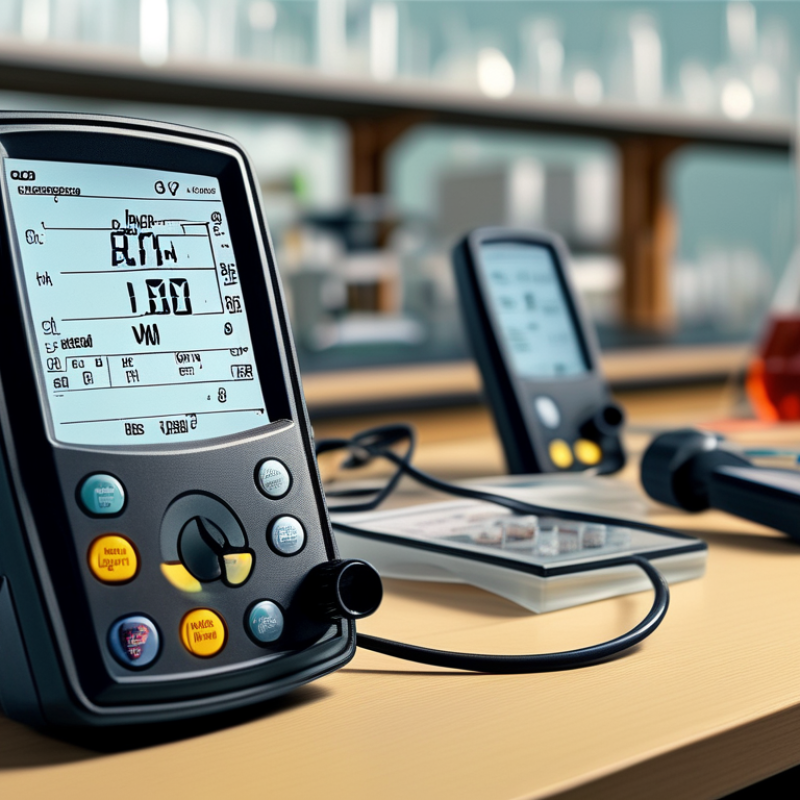
Key Features to Consider in a Lab Conductivity Meter
When selecting a lab conductivity meter, several key features play a crucial role in ensuring reliable measurements. Accuracy is paramount; look for devices that provide a high degree of precision, typically within ±1% of the reading. Data from the International Journal of Environmental Analytical Chemistry indicates that a high-quality meter can significantly reduce measurement error in various laboratory environments.
Another important factor is the temperature compensation feature. Conductivity readings can fluctuate with temperature changes. Meters equipped with automatic temperature compensation (ATC) can adjust readings, ensuring consistent results. A study published by the American Chemical Society reveals that ATC can improve reliability by up to 30%, especially in experiments involving varying temperatures.
Durability and ease of use are also critical. Look for meters that are rugged enough for regular lab use while also being user-friendly. An intuitive interface can save time and reduce the learning curve. Check if the device offers calibration options, as proper calibration is essential for maintaining accuracy over time. If needed, consult with peers or professionals for insights on usability in real lab conditions. Evaluating these features can help refine your choice and ensure you invest in a reliable instrument for your work.
Understanding Different Types of Conductivity Meters
When selecting a conductivity meter, understanding the various types available is crucial. There are portable, benchtop, and online meters. Portable meters are convenient for fieldwork. Benchtop models offer advanced features for laboratory settings. Online meters continuously monitor conductivity in process applications. Each option serves different needs, impacting data accuracy and application effectiveness.
Consider the range of conductivity you need to measure. Some meters excel in low range, while others are suited for high conductivity. Choose based on your specific application. Calibration is essential too. Meters should be calibrated with standards that mimic your samples. This practice ensures the reliability of your results.
Stability and ease of use are vital aspects. Look for sensors that provide consistent readings. A user-friendly interface can enhance your workflow. Understanding your laboratory’s environment can guide your choice. Ambient temperature and sample characteristics influence the performance of conductivity meters. Keeping these factors in mind helps you select a suitable device.
Importance of Calibration and Accuracy in Measurements
Calibration is crucial when it comes to measuring conductivity accurately. Without proper calibration, even the best conductivity meters can produce misleading results. It's essential to understand that various factors, including temperature and sensor condition, can influence measurements. Regular calibration ensures that your device remains reliable and consistent, helping you avoid costly errors.
Accuracy in measurements impacts not just your current experiment but future studies as well. A single inaccurate reading can cascade into further miscalculations, leading to erroneous conclusions. Remember, every meter has a specific range and limitations. A thorough understanding of these specifications allows for better-informed decisions during experimentation.
Many users overlook the significance of routine maintenance. It's not just about calibration; the physical state of the meter also matters. A meter with dirt or residue can affect its sensitivity and response time. Taking time to maintain and check your equipment regularly can save time and effort later on. Sometimes, the smallest details can offer the most significant insights into your measurements.
Budget Considerations When Selecting a Conductivity Meter
When selecting a conductivity meter, budget is often a significant concern. Basic models can range from $100 to $500, while advanced units may exceed $1,500. This price variation can reflect different features, such as measurement range, accuracy, and user interface design.
Budget-conscious buyers should consider the intended application. For routine measurements, a mid-range model may suffice. Reports show that high-end meters do not always guarantee significantly better accuracy for average laboratory needs. However, investing in reliable brands is crucial, as cheaper alternatives may fail, leading to costly retests.
It's also essential to factor in additional costs. Calibration solutions and replacement sensors can add up. Industry data reveals that annual calibration fees can range from $100 to $300, depending on the service provider. Balance upfront costs with long-term expenses to make a well-informed decision.
Top Tips for Choosing a Lab Conductivity Meter
| Feature |
Description |
Price Range |
| Measurement Range |
It's important to consider the conductivity range of the meter based on your application. Typical ranges are from 0 - 1000 µS/cm up to 0 - 200 mS/cm. |
$50 - $400 |
| Accuracy |
Select a meter with high accuracy for precise measurements, usually indicated by ±1% full scale. |
$100 - $600 |
| Calibration |
Easy calibration options are essential; some meters come with automatic calibration features. |
$30 - $300 |
| Probe Type |
Different probe types (graphite, stainless steel, or plastic) may be suitable based on the sample type. |
$20 - $150 |
| Data Logging |
Meters with data logging capabilities can be beneficial for tracking sample conductivity over time. |
$100 - $700 |
| Portability |
A compact and lightweight meter is ideal for fieldwork and on-site measurements. |
$50 - $500 |
| Warranty |
Check the warranty period; good meters often come with at least a one-year warranty. |
N/A |
Evaluating Brand Reputation and Customer Support Options
When selecting a lab conductivity meter, evaluating the brand reputation and available customer support options is crucial. A respected brand often reflects product reliability. According to industry reports from Research and Markets, approximately 70% of lab professionals prioritize brand trust when investing in lab equipment. They seek brands with a proven history in accuracy and durability.
Customer support can greatly influence your experience with a conductivity meter. An effective support system should include accessible resources, timely responses, and knowledgeable staff. Surveys indicate that 65% of users prefer companies that offer comprehensive training and readily available troubleshooting. This support can make a significant difference, especially when dealing with technical issues.
Choosing a well-regarded brand with strong customer service can lead to better outcomes. However, it’s important to recognize that not all brands meet these expectations. Some may have stellar products but inadequate support. It's advisable to read reviews and seek testimonials from current users to gauge their experiences. Balancing product quality with accessible support can ultimately enhance your lab’s operational efficiency.
Lab Conductivity Meters: Brand Reputation and Customer Support Analysis