Why Choose a Digital Conductivity Meter for Accurate Measurements?
When considering accurate measurements in various industries, the choice of equipment is critical. A leading expert in the field, Dr. Rachel Green, emphasizes, “A digital conductivity meter is essential for precision and reliability.” This statement underlines the importance of selecting the right tools for measuring conductivity in solutions.
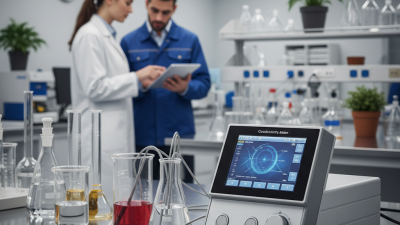
Digital conductivity meters offer several advantages over traditional methods. They provide quick and precise readings, enhancing workflow efficiency. Accurate measurements can impact decision-making in environmental monitoring and water quality testing. However, not every digital conductivity meter is created equal. Users must consider calibration needs and measurement ranges.
Moreover, the technology is not perfect. Some models may struggle with high ionic strengths or extreme temperatures. Businesses should invest time in training staff for proper usage. Ultimately, the reliability of a digital conductivity meter can significantly influence outcomes in laboratory and field settings.
Understanding Digital Conductivity Meters and Their Functionality
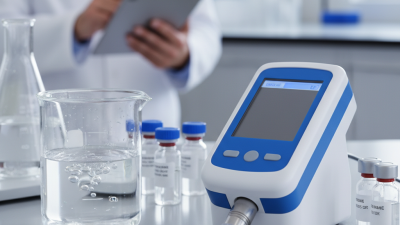
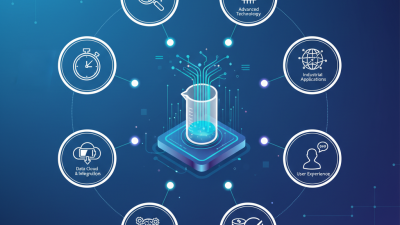
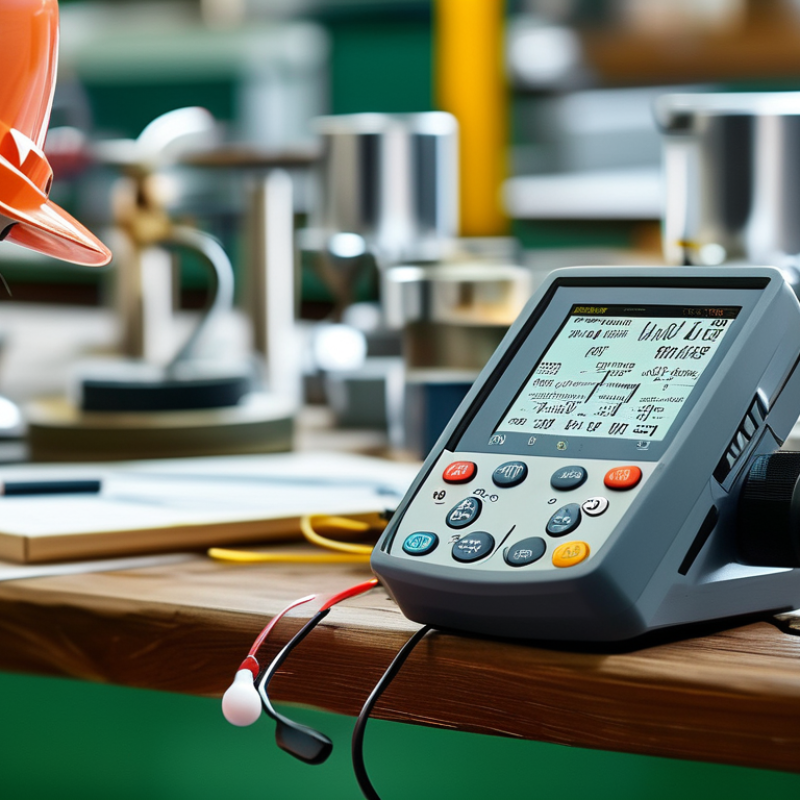
Digital conductivity meters are essential tools for measuring the conductive properties of liquids. They offer precise readings that are crucial for various applications, including water quality testing and industrial processes. A digital meter uses advanced technology to ensure accuracy, often displaying results in real-time. This feature aids in making immediate adjustments when necessary.
Understanding how these meters function enhances their effective use. They operate by measuring the electrical conductivity of a solution, which is influenced by ion concentration. For instance, a higher ion concentration indicates better conductivity. This understanding helps users select the right meter based on their specific needs. Familiarity with calibration methods is also vital. Regular calibration ensures that measurements remain accurate, minimizing discrepancies due to time or environmental factors.
While digital conductivity meters provide reliable data, user errors can occur. Misreading the display or improper calibration can lead to flawed results. It's essential to check settings and ensure cleanliness of the probe before measurements. A user-centric approach is necessary for maximizing the benefits of this technology. Being aware of these nuances promotes better practices in measurement tasks.
Digital Conductivity Meter Accuracy Comparison
This bar chart compares the conductivity measurements of five different samples using a digital conductivity meter. The data illustrates the variations in conductivity levels, highlighting the accuracy and reliability of digital meters for precise measurements.
Benefits of Using Digital Conductivity Meters for Accurate Measurements
Digital conductivity meters are essential tools in various industries, including agriculture, environmental science, and pharmaceuticals. These devices provide accurate measurements of electrical conductivity in liquids, offering critical data for quality control. For instance, accurate conductivity readings are crucial for designing effective irrigation systems. A study revealed that maintaining optimal conductivity levels can increase crop yield by as much as 30%.
One significant advantage of using digital conductivity meters is their advanced technology, which enhances measurement precision. According to recent industry reports, digital meters can achieve an accuracy of ±0.5% full scale. This level of precision is vital in sectors like waste management, where even minor fluctuations can impact treatment processes. Additionally, digital meters typically feature automatic temperature compensation, which ensures that readings are consistent regardless of temperature variations.
However, it's important to acknowledge that not all digital conductivity meters are created equal. Some lower-end models may lack the sensitivity needed for precise measurements. Users must consider their specific needs and conduct thorough research before making a purchase. Calibration is another area requiring attention. Regular calibration is crucial to maintain measurement accuracy over time, as neglecting this can lead to unreliable data and poor decision-making.
Key Features to Look for in a Digital Conductivity Meter
When selecting a digital conductivity meter, focus on key features that enhance measurement accuracy. Precision is critical. Look for devices that utilize advanced technology, such as temperature compensation. This ensures reliable readings in varying environmental conditions.
Another important feature is calibration capability. Regular calibration is essential for accurate results, especially in research and industrial settings. Devices that support multiple calibration points offer greater reliability. According to industry studies, meters that are calibrated at several points can reduce measurement error by up to 15%.
Tip: Always check the conductivity range of the meter. A broader range allows for versatility in different applications, from water quality testing to chemical processing. Additionally, consider the response time. A quicker response enhances workflow efficiency and saves valuable time.
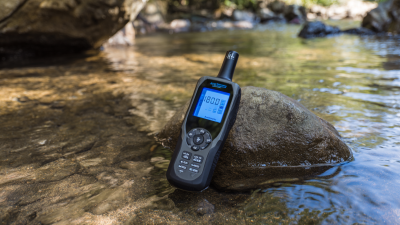
Durability also matters. Some meters are designed to withstand harsh conditions, making them suitable for field use. A protective casing may prevent damage from accidental drops or exposure to water. However, it's essential to remember that more features can mean higher complexity. Familiarize yourself with the device's user manual to avoid operational mistakes.
Applications of Digital Conductivity Meters in Various Industries
Digital conductivity meters have found applications across various industries. In water treatment, these devices measure the conductivity of water. This data ensures that water meets quality standards. It helps in monitoring the concentration of salts and other impurities. Accurate measurements are crucial for environmental compliance.
In the food and beverage industry, digital conductivity meters are essential too. They help control the quality of products. For instance, measuring brine or glycerin helps in maintaining optimal levels. Consistency in taste and safety is often a top priority. However, the calibration of meters is sometimes overlooked, which can lead to inaccurate results.
In agriculture, these meters play a significant role in soil analysis. Understanding soil conductivity aids in nutrient management. Farmers can identify areas needing amendment. Yet, not all meters handle various soil types effectively. Some users may face challenges with inconsistent readings in different conditions. Regular maintenance and proper training are vital for reliable operations.
Comparing Digital and Analog Conductivity Meters for Precision Measurements
When it comes to measuring conductivity, the choice between digital and analog meters can greatly impact accuracy. Digital conductivity meters offer several advantages. They typically provide clear and immediate readings on a digital display. This eliminates the guesswork often associated with analog meters, where users must interpret needle positions or dial markings. Precise measurements are critical, especially in laboratory and industrial settings. Digital meters also often feature built-in temperature compensation, allowing for adjustments that enhance accuracy.
On the flip side, analog meters connect users to a more traditional method. There may be a nostalgic appeal to using needle-based devices. However, this can lead to errors, particularly in fast-paced environments. The readings can fluctuate, making it difficult to obtain consistent data. Many users might find themselves struggling to interpret results, especially with slight needle movements.
Reliability is also a key concern. Digital meters often have more consistent performance over time. They require less frequent calibration compared to analog devices. Yet, users should be aware of battery dependencies. A dead battery can render a digital meter useless at critical moments. This highlights the need for regular maintenance. Ultimately, understanding the strengths and weaknesses of each type ensures better measurement practices.
Why Choose a Digital Conductivity Meter for Accurate Measurements?
| Feature |
Digital Conductivity Meter |
Analog Conductivity Meter |
| Accuracy |
±0.5% Full Scale |
±2% Full Scale |
| Response Time |
< 5 seconds |
> 30 seconds |
| Range |
0 to 200 mS/cm |
0 to 100 mS/cm |
| Calibration |
Automatic Calibration |
Manual Calibration |
| Data Logging |
Yes (with memory) |
No |
| Battery Life |
Up to 200 hours |
N/A |
| Ease of Use |
User-friendly interface |
Requires manual adjustments |