China’s dental manufacturing sector now supplies a wide range of products, from dental chairs and handpieces to imaging systems, sterilizers, and laboratory equipment. But “made in China” does not describe one uniform level of quality. Factories differ in design, materials, testing, and after-sales support. A polished product photo tells only part of the story.
Dr. Gordon Christensen, a prosthodontist and dental educator known for evaluating clinical products, offers a useful principle, paraphrased here rather than presented as a verbatim quotation: “Choose equipment for clinical value, not novelty.” That distinction matters when comparing Dental Equipment Tools. A chair should adjust smoothly and hold its position. A handpiece should feel balanced, with a steady sound under load. For imaging equipment, clear instructions and responsive technical support matter too. Small details become daily realities.
This guide looks at leading categories and examples from China, while weighing practical features against claims that deserve closer checking. Buyers should review specifications, independent testing where available, service arrangements, and compatibility with their clinic’s workflow. No single list can fit every practice. That is worth admitting. A lower purchase price may help a new clinic, yet replacement parts and repair delays can change the real cost. The aim is not to praise every product or dismiss an entire market. It is to help readers ask sharper questions before choosing.
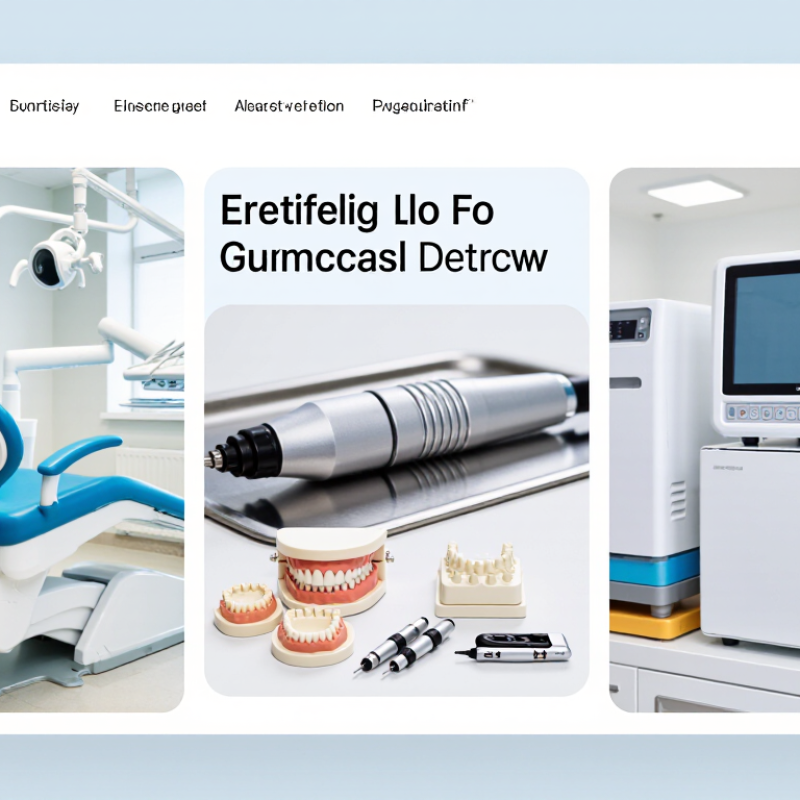
Dental equipment made in China is best classified by clinical function, not factory location. The World Health Organization’s 2022 Global Oral Health Status Report estimates that oral diseases affect nearly 3.5 billion people worldwide.
Untreated decay in permanent teeth affects about 2 billion. These figures describe disease burden, not equipment sales. Small distinction.
Common groups include diagnostic tools, such as imaging systems and intraoral cameras; treatment-room equipment, including chairs, handpieces, scalers, and curing lights; and infection-control devices, such as sterilizers and washer-disinfectors. Dental laboratory equipment, including milling units and furnaces, forms another category. A useful boundary.
Some products combine functions: a dental chair unit may integrate lighting, suction, and water delivery. This taxonomy is helpful, but not perfect.
Buyers should compare the intended use, model-specific test records, calibration needs, maintenance access, and spare-part availability. A country label alone says little about how a particular device will perform. Specs on paper can still leave gaps.
Chinese manufacturers produce several core diagnostic tools used in everyday dental clinics. Intraoral cameras capture close-up views of teeth and gums, helping clinicians explain small cracks, stained margins, or irritated tissue. Some models include adjustable lighting and removable sleeves for routine cleaning. Image clarity matters. A bright screen cannot compensate for glare or poor focus.
Dental X-ray systems and digital image sensors are another major product category. Manufacturers may supply wall-mounted or portable units, along with sensors that transfer images to practice software. Buyers should check image consistency, exposure controls, sensor dimensions, and compatibility with their existing setup. A technically detailed specification sheet is useful, but it cannot replace hands-on evaluation. Ask to review sample images and calibration records where available.
Other diagnostic products include electronic apex locators, which help estimate a root canal’s working length, and dental pulp testers that assess tooth response. Accuracy depends on technique, patient conditions, and proper maintenance. No device makes clinical judgment unnecessary. It is worth checking cleaning instructions, training materials, warranty terms, and local conformity documents before purchasing. These details can feel less exciting than a crisp image, but they often shape daily reliability.
| Equipment Type | Primary Diagnostic Use | Common Functions or Components | Key Selection Considerations |
|---|---|---|---|
| Digital Intraoral X-Ray Sensor | Captures images of individual teeth and nearby supporting structures for assessment of issues such as caries and root conditions. | Image sensor, protective cable, imaging software, and a computer connection; available sensor sizes vary by model. | Image quality, sensor size, software compatibility, infection-control requirements, and applicable radiation-safety regulations. |
| Dental Intraoral X-Ray Unit | Produces X-rays used with a digital sensor or film to examine teeth and surrounding structures. | X-ray tube head, control system, positioning arm, and exposure controls; wall-mounted and mobile configurations are common. | Patient positioning, exposure settings, installation requirements, service support, and compliance with local radiation regulations. |
| Panoramic Dental X-Ray System | Creates a broad image of the jaws and teeth to support general examination and treatment planning. | Rotating imaging assembly, detector, patient-positioning supports, and image-processing software. | Image coverage, positioning workflow, clinic space, software tools, and radiation-protection procedures. |
| Dental CBCT System | Produces three-dimensional images of oral and maxillofacial structures for selected diagnostic and planning needs. | Cone-beam X-ray source, detector, positioning system, and 3D reconstruction software. | Field of view, image resolution, dose-management features, installation needs, and operator training. |
| Intraoral Camera | Displays magnified images of teeth and soft tissues to support visual examination and patient communication. | Small camera head, LED illumination, handpiece, and a display or computer connection. | Image clarity, ease of use, lighting, connection type, and compatibility with existing clinical software. |
| Electronic Apex Locator | Estimates the position of the file tip within a root canal during endodontic treatment. | Electronic measurement unit, file clip, lip clip, and display; some models include an audible signal. | Measurement stability, display readability, compatibility with clinical workflow, and instructions for use. |
| Electric Pulp Tester | Applies a controlled electrical stimulus to help assess tooth pulp response as part of a clinical examination. | Control unit, probe, electrical lead, and adjustable output controls. | Controlled stimulation, clear operating instructions, patient comfort, and use alongside other diagnostic findings. |
| Ultrasonic Scaler | Supports removal of calculus and deposits during dental cleaning; it is an adjunct to examination rather than an imaging device. | Power unit, handpiece, interchangeable tips, and water-supply connection. | Tip availability, water flow, handpiece ergonomics, maintenance requirements, and compatibility with the clinic’s setup. |
China-made dental treatment equipment covers everyday operatory essentials, including dental units, patient chairs, operating lights, suction systems, and curing lights. A typical treatment unit brings handpiece connections, an air-water syringe, and foot controls within reach. Check chair movement, hose length, and the stability of the light arm in person when possible. Small fit issues become daily irritations.
Sterilization equipment includes steam autoclaves, ultrasonic cleaners, instrument washers, heat-sealing machines, and water distillers. Ultrasonic cleaners help loosen debris before sterilization; they do not replace it. Autoclaves use controlled steam cycles, so chamber size, drying performance, and cycle records matter. A crowded chamber can limit steam circulation. That detail is easy to overlook.
For a practical review, ask for operating manuals, maintenance schedules, and clear instructions for monitoring cycles. Check that consumables and replacement parts are available through dependable channels. Specifications and verification requirements vary by equipment and location, so confirm suitability with a qualified dental equipment technician and applicable local guidance. A smooth demo is useful, but it cannot show long-term service quality. That remains a real uncertainty.
What Are the Top Dental Equipment Tools Made in China?
How Chinese Dental Equipment Is Manufactured and Certified
Dental equipment production in China can involve CNC machining, injection molding, electronics assembly, and final calibration. A dental handpiece, for example, needs precise bearings and a smooth housing; a curing light also needs checks for output consistency and heat. Incoming materials are inspected, while batch records link components to finished units. Small details matter. Grand View Research estimated the global dental equipment market at USD 8.9 billion in 2023, showing the scale of demand manufacturers must serve.
For medical-device quality systems, ISO 13485 sets requirements for controlled production, supplier oversight, corrective action, and traceability. Risk management is commonly guided by ISO 14971. Electrical equipment may also require testing against IEC 60601, including checks for electrical safety and electromagnetic compatibility. Certification and approval are not interchangeable: requirements depend on the device and its destination market, and a factory certificate alone does not prove every product is approved.
Before shipment, manufacturers may conduct functional tests, inspect packaging, and validate sterilization where applicable. Records should show test methods, results, and handling of failed units. Audits can reveal gaps, but paperwork can look tidy while real-world usability testing remains thin. That deserves scrutiny. Buyers should verify the scope and validity of certificates, review product-specific test evidence, and ask how design changes are controlled.
When comparing Chinese dental equipment brands, look beyond catalog photos and headline prices. A handpiece may look polished, yet its balance, vibration, and heat after several minutes of use matter more in a clinic. Ask for technical specifications, test records, and clear instructions for maintenance. Details matter.
Check how equipment fits daily workflows. For a dental chair, inspect adjustment range, upholstery seams, and access for cleaning. For imaging devices, compare image consistency, software requirements, and staff training needs. Confirm that instruments suit the clinic’s sterilization procedures, and ask which parts need regular replacement. These practical checks can reveal costs that a low purchase price does not show.
Reliable suppliers should explain warranty terms, spare-part availability, response times, and calibration support in writing. Request a demonstration or sample unit when possible, then test controls, noise, and setup with the intended team. Ask for relevant quality and safety documentation, and verify that it matches the exact model being offered. One limitation remains: a short demonstration cannot predict years of use. Compare evidence from several sources, and leave room for questions the sales sheet does not answer.