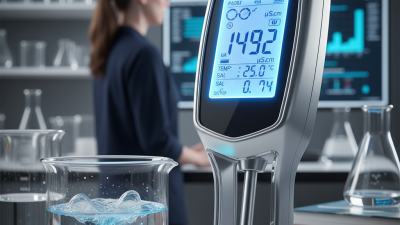
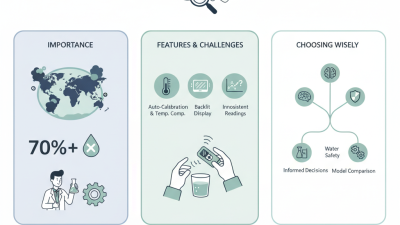
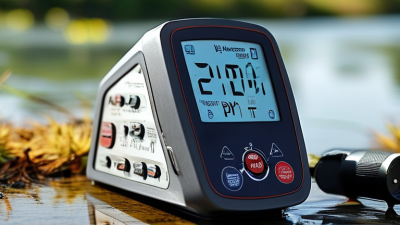
Using a ph tds conductivity meter can make water testing faster, clearer, and more consistent. This handheld device estimates acidity, dissolved solids, and electrical conductivity. It can support aquarium care, hydroponics, drinking water checks, and routine laboratory preparation. However, useful readings depend on proper handling.
A reliable measurement begins with calibration. Use fresh standard solutions that match the meter’s instructions. Rinse the probe with clean distilled water, then gently remove excess drops. Do not wipe the sensing tip roughly. Place the probe in a sample at a stable temperature, and wait for the numbers to stop drifting. Small details matter.
pH shows whether water is acidic or alkaline. Conductivity reflects its ability to carry electrical current. TDS provides an estimated concentration of dissolved substances, usually through a conversion factor. It is not a direct identification of every compound in the sample. That distinction is easy to miss.
Keep the probe wet when required, and store it according to the manufacturer’s guidance. Check calibration regularly, especially after testing mineral-rich water. Temperature changes can affect results. Record the sample source, date, temperature, and displayed values.
Be careful with confidence. A low TDS reading does not automatically prove that water is safe. Likewise, one unusual result may come from contamination, poor calibration, or a damaged probe. I still repeat questionable measurements instead of trusting a single number. No meter is perfect. Used thoughtfully, this tool becomes a practical aid rather than a substitute for certified analysis.
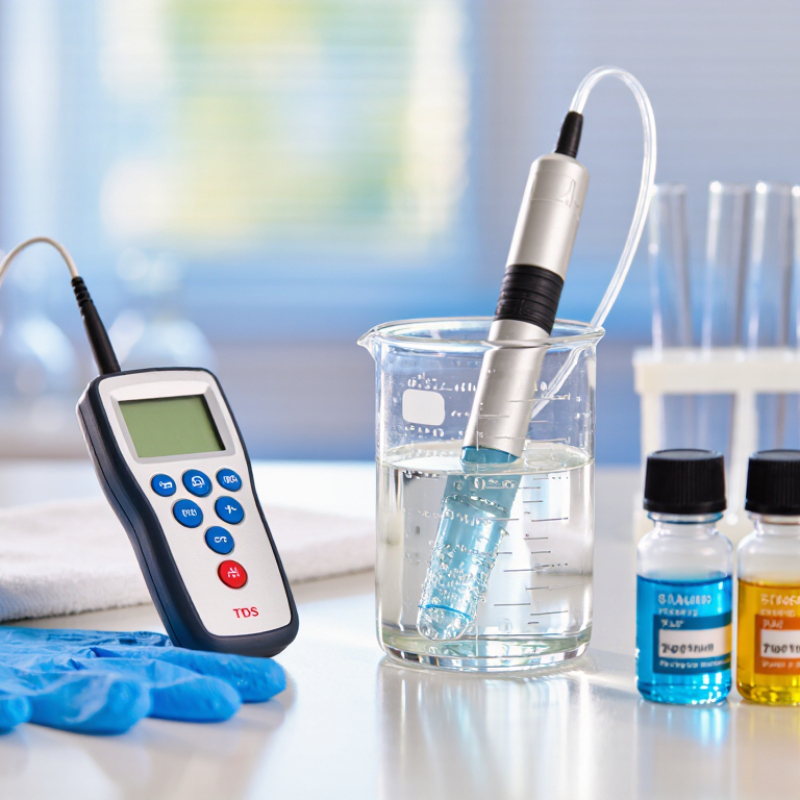
How to Use a pH TDS Conductivity Meter?
Understanding pH, TDS, and Conductivity Measurements
A handheld meter can turn clear water into measurable information. pH shows whether water is acidic, neutral, or alkaline. A reading near 7 is neutral at about 25°C. Temperature can shift that reference. Conductivity measures how easily dissolved ions carry electrical current. TDS estimates dissolved material from conductivity. It does not identify each substance. The estimate depends on the meter’s conversion factor.
Before testing, calibrate the pH function with fresh standard solutions. Rinse the probe with clean water, then gently shake away droplets. Do not wipe the glass sensor roughly. It can create static and damage the surface. Place the probe in a sample container, not directly in a storage bottle. Stir slowly and wait for the reading to stabilize. Keep the sensor submerged at the marked level. Small details matter.
For reliable comparisons, test samples at similar temperatures. Record pH, conductivity, TDS, temperature, date, and sample location. Conductivity may rise when salts or minerals increase, while pH can remain nearly unchanged. Two samples can share similar TDS but contain different ions. That difference matters in practical water assessment. I sometimes record the first stable value too quickly. Waiting another minute can reveal drift. It is imperfect, but useful. Clean the probe after testing and store it according to its sensor design. A dry or contaminated probe can produce convincing numbers that are simply wrong.
| Measurement | What It Indicates | Unit | Typical Freshwater Reference Range | How to Measure | Important Interpretation |
|---|---|---|---|---|---|
| pH | The activity of hydrogen ions and the acidity or alkalinity of water. | pH unit | 6.5–8.5 is commonly used as a general drinking-water guideline range. Natural waters may vary by location. | Rinse the pH electrode with distilled or deionized water, gently blot it dry, immerse it in the sample, stir slowly, and wait for the reading to stabilize. | A pH value of 7 is neutral at approximately 25°C. Values below 7 are acidic, while values above 7 are alkaline. pH is logarithmic, so one pH unit represents a tenfold change in hydrogen-ion activity. |
| Electrical Conductivity | The ability of water to conduct electrical current through dissolved ions. | µS/cm or mS/cm | Approximate examples: distilled water can be below 10 µS/cm, while many natural freshwater sources range from about 50 to 1,500 µS/cm. | Rinse the conductivity cell, immerse it fully without trapping air bubbles, gently move the probe, and allow the value to stabilize. | Conductivity increases as the concentration and mobility of dissolved ions increase. It does not identify which specific ions are present. |
| TDS | An estimated concentration of dissolved substances, mainly ionic salts and minerals. | mg/L or ppm | For dilute water, many meters display values below 500 mg/L. The acceptable level depends on the intended use and local standards. | Use the TDS mode after rinsing the conductivity probe. Keep the sensor immersed at the recommended depth and wait for a stable result. | Most handheld meters estimate TDS from conductivity using a conversion factor; TDS is not usually measured directly by a basic conductivity meter. |
| Temperature | The sample temperature, which affects pH and conductivity readings. | °C or °F | Record the sample temperature together with every pH, TDS, or conductivity result. | Allow the temperature sensor and the water sample to reach equilibrium before recording the measurement. | Conductivity commonly changes by roughly 2% per °C near room temperature, although the exact coefficient depends on the solution. Use temperature compensation when appropriate. |
| pH Calibration | Adjusts the pH meter against solutions with known pH values. | pH 4.01, 6.86 or 7.00, 9.18 or 10.01 | Use fresh, uncontaminated buffer solutions. A two- or three-point calibration improves accuracy across a wider pH range. | Rinse the electrode, calibrate with the selected buffer, rinse between buffers, and follow the meter’s stabilization instructions. | Calibration buffers should not be poured back into their original containers. Replace buffers when contaminated, expired, or repeatedly exposed to air. |
| Conductivity Calibration | Adjusts the conductivity or TDS function using a standard solution with known conductivity. | µS/cm or mS/cm | Common reference standards include 84 µS/cm, 1,413 µS/cm, and 12.88 mS/cm, selected to match the expected sample range. | Rinse the cell, immerse it in the standard without bubbles, wait for stabilization, and enter or confirm the standard value. | Use a standard close to the expected sample conductivity. Calibration standards should be clean, fresh, and used at the temperature specified by the manufacturer. |
| TDS Conversion Factor | Converts measured conductivity into an estimated TDS value. | Factor, commonly 0.5–0.7 | Approximate relationship: TDS (mg/L) ≈ conductivity (µS/cm) × conversion factor. | Check the meter’s selected factor before comparing readings from different instruments or laboratories. | There is no universal factor because different dissolved salts have different conductivity characteristics. A reading of 1,000 µS/cm may correspond approximately to 500–700 mg/L depending on the selected factor. |
| Reading Quality | Indicates whether the measurement is stable and suitable for recording. | Stable value | A stable reading is one that changes only slightly over several seconds under the same conditions. | Use a clean container, avoid touching the sensor, remove visible air bubbles, and wait for the display to stabilize. | Dirty probes, insufficient sample volume, temperature changes, electrical interference, and contaminated calibration solutions can produce unreliable results. |
| Cleaning and Storage | Maintains sensor performance and reduces measurement drift. | Routine maintenance | Rinse after every use. Store pH electrodes in the recommended storage solution rather than distilled water. | Rinse with clean water, gently blot the electrode, and store it according to the electrode design. Clean conductivity cells when deposits are visible. | Never scrub a glass pH bulb aggressively. A dry or improperly stored pH electrode may respond slowly and require reconditioning or replacement. |
Practical sequence: Calibrate the meter, rinse the probe, measure temperature, immerse the sensor correctly, wait for a stable reading, record the result with its unit and temperature, and rinse the probe after testing.