What is a free chlorine colorimeter and how is it used?
A free chlorine colorimeter is an essential tool for water quality assessment. It measures free chlorine levels, an important disinfectant in water treatment. According to the World Health Organization, maintaining optimal chlorine levels is vital for drinking water safety.
Waterborne diseases are a global concern. The CDC estimates that millions fall ill each year due to contaminated water. The free chlorine colorimeter helps prevent such outbreaks by ensuring proper disinfection. This device uses colorimetric analysis, providing rapid and accurate results.
However, there are challenges in usage. Training is required to operate these instruments effectively. Misinterpretation of results can lead to water safety issues. Frequent calibration is necessary to maintain accuracy. Despite its importance, not all facilities have access to modern colorimeters, limiting their effectiveness. This brings to light an urgent need for more widespread implementation and training in water testing technologies.
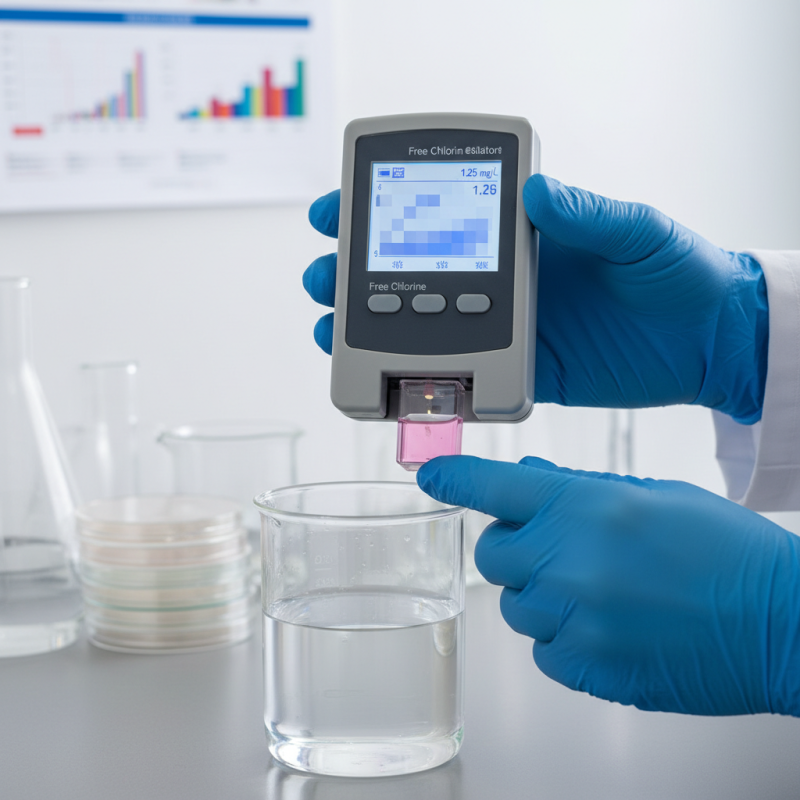
What is Free Chlorine and Its Importance in Water Quality
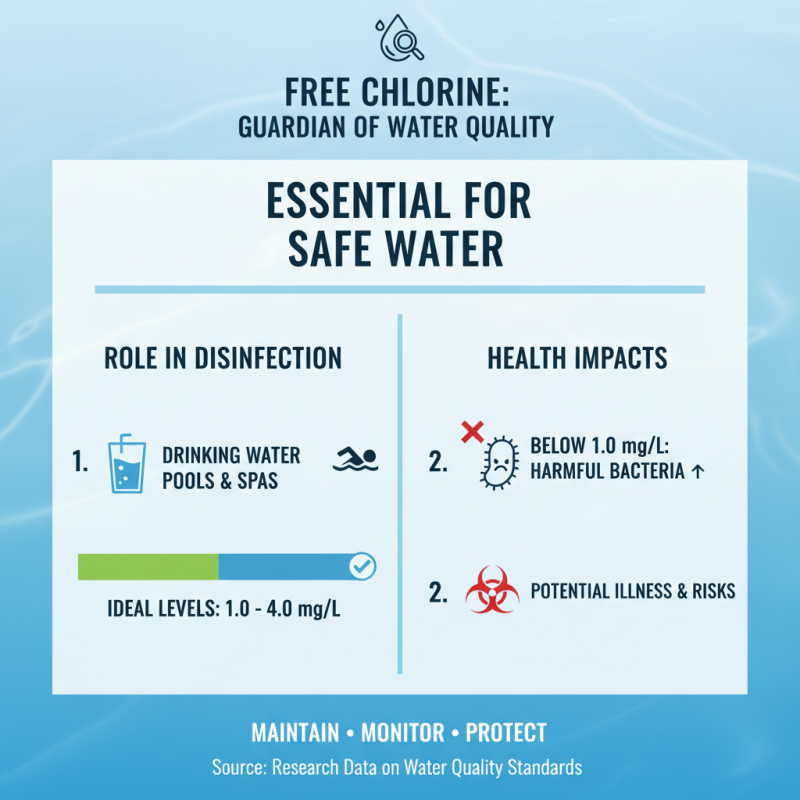
Free chlorine is a vital component in ensuring water quality. It plays a critical role in disinfecting drinking water and recreational water bodies. Research indicates that maintaining free chlorine levels between 1.0 to 4.0 mg/L is ideal for effective disinfection. If the concentration falls below 1.0 mg/L, harmful bacteria can thrive, leading to potential health risks.
Chlorine helps eliminate pathogens and prevents the spread of waterborne diseases. For instance, the CDC reported that nearly 7.15 million people get sick from contaminated water annually. In swimming pools, free chlorine maintains safe environments, reducing risks of infections like Cryptosporidium and Giardia. It's essential to constantly monitor free chlorine levels for safe, enjoyable water. Inadequate testing methods can lead to discrepancies and water quality issues.
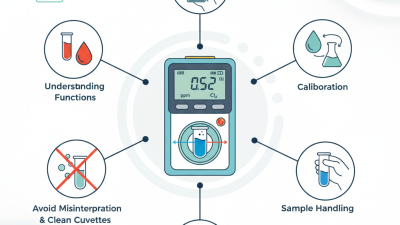
Using a free chlorine colorimeter allows for precise measurement of these levels, enhancing safety. Accurate readings prevent any public health crises. However, reliance on colorimeters can sometimes lead to misinterpretation of results. Factors like water turbidity or pH can influence the readings. Regular calibration and validation of the equipment are necessary for maintaining accuracy. Continuous education about proper usage is crucial to avoid inconsistencies.
Definition and Components of a Free Chlorine Colorimeter
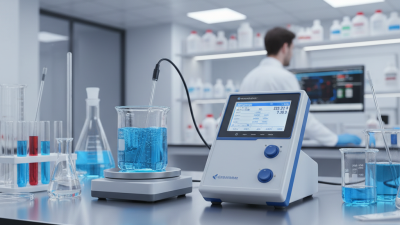
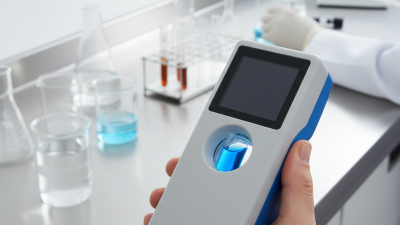
A free chlorine colorimeter is a specific device used to measure free chlorine levels in water. This technology is crucial in water treatment facilities, swimming pools, and laboratories. Some essential components include a light source, a sample chamber, and photodetectors. The light source emits light at a specific wavelength. It passes through the water sample in the chamber.
The interaction between light and free chlorine leads to a color change. This change is then detected by the photodetectors. The intensity of the light after passing through the sample correlates to the concentration of free chlorine. Different concentrations yield different colors. This relationship is critical in ensuring safe water quality.
Understanding the setup and maintenance is vital. Sometimes, readings can be inconsistent due to sample contamination. Regular calibration is necessary but often overlooked. Users may not realize that temperature variations can also impact accuracy. Proper training can help reduce errors. However, there remains a learning curve for new users. This highlights the need for attention to detail in every step.
Free Chlorine Levels in Water Samples
Principle of Operation: How a Free Chlorine Colorimeter Works
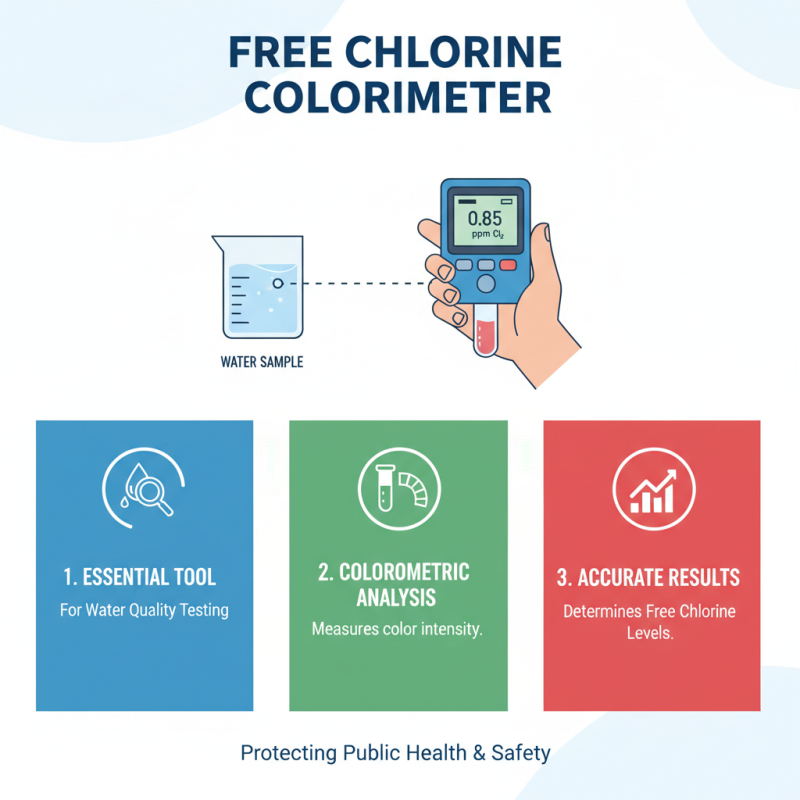
A free chlorine colorimeter is an essential tool for water quality testing. It determines chlorine levels using colorimetric analysis. By measuring the intensity of color in water samples, professionals can ascertain free chlorine concentrations accurately.
The principle of operation is fairly straightforward. When a water sample containing free chlorine is introduced, it reacts with reagents in the colorimeter. This interaction produces a colored compound. The colorimeter then measures the absorbance at specific wavelengths, correlating the color intensity to chlorine concentration. Studies show the accuracy of such devices can be up to 98% when calibrated properly. It’s crucial for maintaining safe drinking water standards.
Tips: Regular calibration is key. Neglecting this may lead to false readings. Always store reagents in a cool, dark place to maintain stability. Remember, improper usage can yield unreliable results. Even small mistakes can affect overall water safety assessments. Consistent training for operators is beneficial to mitigate these risks.
Steps for Using a Free Chlorine Colorimeter in Water Testing
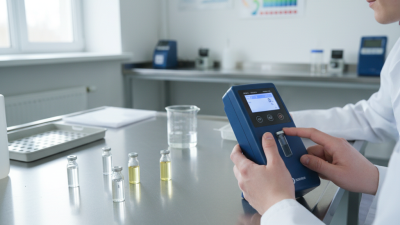
Using a free chlorine colorimeter is essential for water testing. This device measures the concentration of free chlorine, which is vital for water sanitation. Proper usage ensures the safety of drinking water. The process starts with collecting a water sample in a clean container. Ensure there are no contaminants. Then, follow specific protocols for accurate results.
The next step involves adding a reagent to the water sample. This reagent reacts with free chlorine, creating a color change. The color intensity directly relates to the chlorine level. It's important to allow the reaction to occur for the recommended time. Typically, this is around five minutes. During this period, prevent any disturbances to maintain accuracy.
Consulting industry guidelines helps. For instance, the EPA recommends maintaining chlorine levels between 1-4 mg/L for safe drinking water. Inaccurate readings can lead to serious consequences. Moreover, some colorimeters may not be user-friendly. Errors may arise from incorrect sample sizes or reagent handling. Regular calibration and maintenance of the device are also crucial. This reduces the likelihood of reflection and ensures reliable measurements.
Common Applications and Benefits of Free Chlorine Colorimeters
Free chlorine colorimeters are essential tools for water quality testing. They measure free chlorine levels in various water sources. Accurate measurements are crucial for maintaining safe drinking water and managing pools. Research indicates that free chlorine levels should be maintained between 1-4 mg/L for effective disinfection. This range helps eliminate harmful pathogens, ensuring public safety.
In industrial applications, colorimeters are often used in waste treatment facilities. They monitor free chlorine to meet regulatory standards. A recent report highlighted that over 40% of agencies face challenges in maintaining optimal chlorine levels. Mismanagement can lead to insufficient disinfection or excessive chlorination, both of which pose risks. Free chlorine colorimeters help with precise monitoring, reducing these risks significantly.
Another significant application is in aquaculture. Farmers rely on colorimeters to ensure water quality. Proper chlorine levels prevent diseases in fish. Studies show that maintaining correct levels boosts fish growth rates by up to 30%. However, misuse or over-reliance on these tools can lead to oversight of other critical factors, such as pH and ammonia levels. Colorimeters are valuable, but they are not a complete solution. Balancing all water parameters is necessary for optimal results.
What is a free chlorine colorimeter and how is it used? - Common Applications and Benefits of Free Chlorine Colorimeters
| Application |
Description |
Benefits |
| Water Treatment |
Monitoring free chlorine levels to ensure safe drinking water. |
Ensures compliance with safety regulations, preventing health risks. |
| Swimming Pools |
Testing chlorine levels to maintain clean and safe swimming environments. |
Improves water quality, enhances user safety and enjoyment. |
| Industrial Applications |
Used in manufacturing processes where chlorine is a key disinfectant. |
Maintains appropriate chlorine levels, ensuring product safety and quality. |
| Laboratory Research |
Analyzing free chlorine concentrations in various chemical reactions. |
Provides accurate data for research, supporting scientific advancements. |