How to Determine the Cost of a Conductivity Meter?
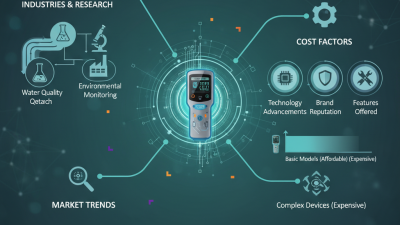
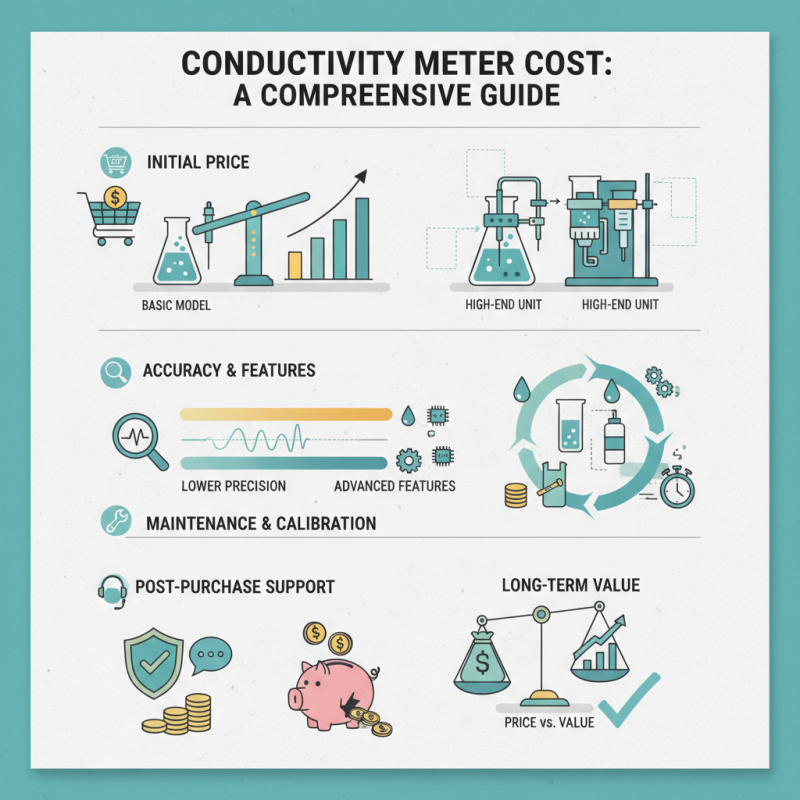
When considering a conductivity meter cost, many factors come into play. Conductivity meters vary in price based on brand, accuracy, and features. Choosing the right meter involves understanding these variables. For instance, a basic model may cost less but might lack precision. A high-end unit offers advanced features but can be significantly more expensive.
Maintenance is another aspect to consider, as it can influence the overall cost. Regular calibration and replacement parts are often needed. This adds to the initial investment. Additionally, some customers overlook the importance of post-purchase support. A meter with good customer service may save money in the long run.
It's also worth noting that cheap options may lead to unexpected issues. Ill-timed failures due to low quality can incur extra costs. Thus, it is essential to weigh all these considerations carefully. Balancing initial price with long-term value is crucial when determining the conductivity meter cost.
Understanding Conductivity Meters and Their Application
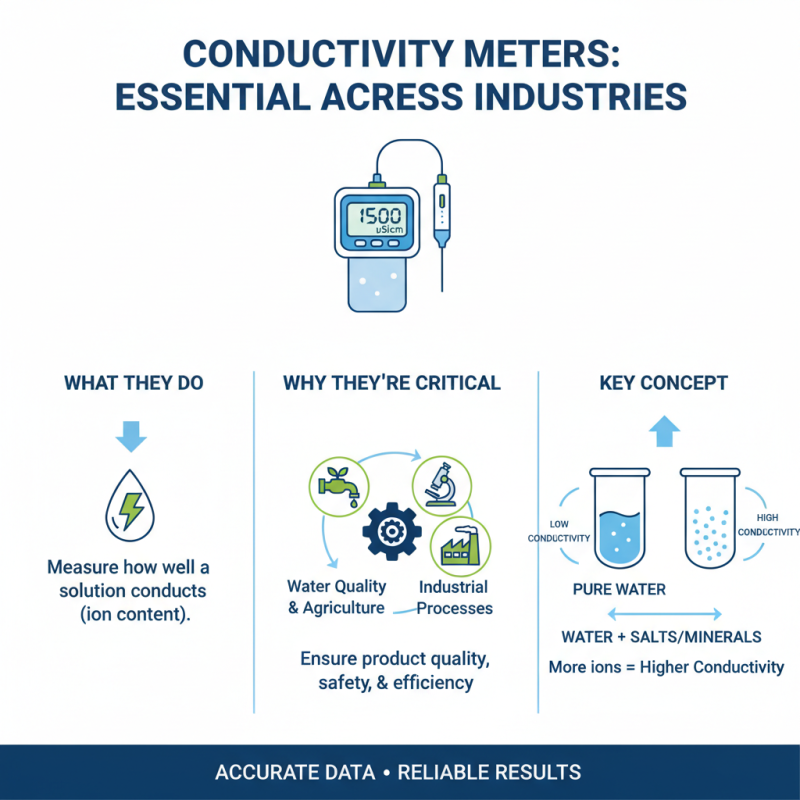
Conductivity meters measure how well a solution conducts electricity. They’re essential in many industries. Water quality testing, agriculture, and pharmaceuticals rely on accurate conductivity data. In these contexts, understanding conductivity is critical. For example, pure water has low conductivity due to minimal ion content. However, as salts and minerals dissolve, conductivity increases.
Tips: Regularly calibrate your conductivity meter for accurate results. Calibration ensures consistency and reliability.
In agriculture, conductivity meters help assess soil health. A high reading may indicate salinity issues. According to industry reports, conductivity levels above 4 mS/cm suggest potential crop stress. Farmers must monitor their soil regularly. This practice helps in maintaining optimal growth conditions.
Tips: Use a portable meter for field tests. It simplifies the process and saves time.
It's essential to note that users may misinterpret readings. Environmental factors, such as temperature, can influence results. Conductivity meters may not detect changes immediately. Thus, regular checks are vital for accurate assessments.
Factors Influencing the Cost of Conductivity Meters
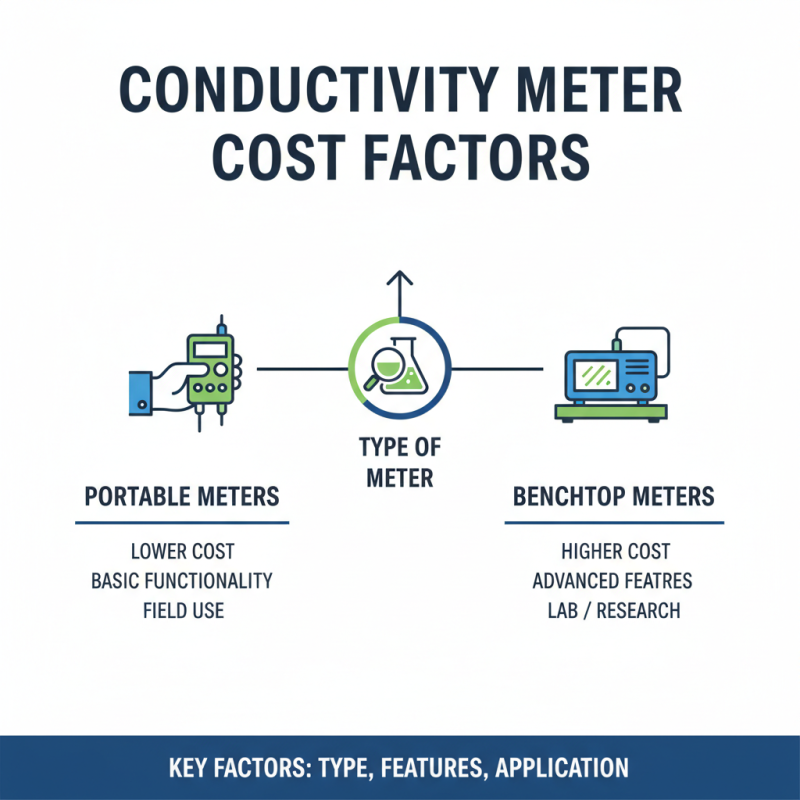
When considering the cost of a conductivity meter, several factors come into play. The type of conductivity meter can greatly affect its price. Portable meters are typically less expensive than benchtop models. They offer basic functionalities, suitable for most fieldwork. However, scientific research may require advanced features that increase costs.
Calibration is another essential factor. Meters that offer automatic calibration tend to be pricier. Yet, manual calibration can result in less accurate readings. This trade-off can impact data quality. Users often overlook the importance of routine calibration, leading to unreliable results.
Tips: Always assess your actual needs before purchasing. Consider if a portable or benchtop model suits you better. Analyze your budget carefully. Investing in a quality meter may save costs on replacements. Remember, a cheaper meter might not always be cost-effective in the long run.
Comparative Analysis of Different Conductivity Meter Brands
When examining conductivity meters, the brand can significantly influence the cost and quality. Various brands offer different features. Some may prioritize accuracy, while others emphasize user-friendliness. It’s essential to identify your specific needs before diving deep into comparisons. A meter that excels in laboratory settings might not suit fieldwork well.
Price is another critical factor. Conductivity meters can range broadly in price. Budget options often lack advanced features. High-end models may provide superior accuracy and durability. However, do they meet your needs? A costly choice isn’t always the best one. It's valuable to read user reviews and analyze performance reports.
Build quality matters, too. Some meters are designed for rugged environments. Others focus more on home or light use. Investigate materials and design features. This may affect long-term performance and reliability. Look for meters that balance affordability and functionality. Finding this balance may require extra research and effort.
Additional Costs Beyond the Purchase Price of Conductivity Meters
When purchasing a conductivity meter, the initial price is only part of the equation. Many users overlook additional costs that can significantly impact their budget. These costs can arise from calibration, maintenance, and replacement parts. Regular calibration is essential for accurate readings, and this service often incurs extra charges. Users should not underestimate how frequently they need to recalibrate.
Maintenance is another crucial aspect. Conductivity meters can wear down or suffer from damage. Routine checks may be required to ensure functionality. Depending on the usage frequency, replacement electrodes may also be necessary. These components can be pricey, adding to the total cost of ownership.
Another consideration involves training. New users may need instruction on how to use the device properly. Training sessions may have unforeseen expenses tied to them. After all, improper handling can lead to errors. These factors combined illustrate that understanding the full financial scope of owning a conductivity meter is essential.
How to Determine the Cost of a Conductivity Meter? - Additional Costs Beyond the Purchase Price of Conductivity Meters
| Cost Component |
Estimated Cost ($) |
Description |
| Initial Purchase Price |
150 - 1000 |
Cost of the conductivity meter itself. |
| Calibration Services |
50 - 300 |
Regular calibration to ensure accuracy. |
| Maintenance |
20 - 100 |
Annual maintenance costs. |
| Replacement Probes |
30 - 200 |
Cost of probes that may need replacing. |
| Training |
100 - 500 |
Training for staff on proper usage. |
| Software and Data Management |
50 - 400 |
Cost for software to manage data and analyses. |
Tips for Budgeting and Cost Management in Purchasing Conductivity Meters
When budgeting for a conductivity meter, consider multiple factors that influence the overall cost. Research is essential. Prices can vary significantly based on features and accuracy. Explore the specifications that you truly need. Investing in unnecessary functions can inflate your budget.
Assess your long-term needs. A more expensive model may provide durability and precision. However, basic models can suffice for occasional use. Think about potential repairs and maintenance costs too. Some meters require costly calibration services over time.
Track your expenses carefully. A simple spreadsheet can help monitor your spending. Break down costs into categories: purchase price, maintenance, and any accessories needed. This approach can reveal hidden expenses. It may create a more transparent view of your budget. Ultimately, be prepared for unexpected costs, which may arise during use. Adjusting your budget based on real-time needs can lead to smarter purchasing decisions.
Estimated Costs of Conductivity Meters