Why Choose the DR300 Pocket Colorimeter for Measuring Chlorine Levels?
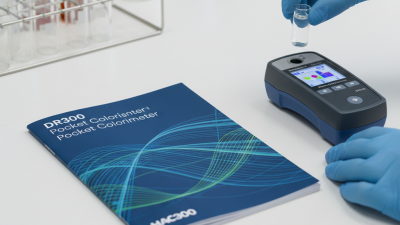
When it comes to measuring chlorine levels in water, precision is crucial. The DR300 Pocket Colorimeter for chlorine testing stands out due to its user-friendly design and accuracy. This tool is compact, making it easy to carry. Many users appreciate its quick readings and reliability.
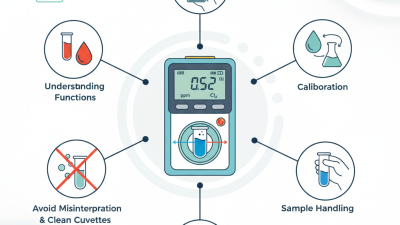
One notable feature of the DR300 pocket colorimeter chlorine is its ability to deliver results in seconds. This efficiency can be essential for water quality testing in various settings, from swimming pools to drinking water supply. However, some users feel that understanding the calibration process could be clearer.
Additionally, despite its strengths, the colorimeter may have challenges in extreme conditions. For some, this raises questions about its versatility. The balance between ease of use and comprehensive functionality is always worth considering. Overall, the DR300 offers a solid option for anyone serious about measuring chlorine levels effectively.
Key Features of the DR300 Pocket Colorimeter for Chlorine Measurement
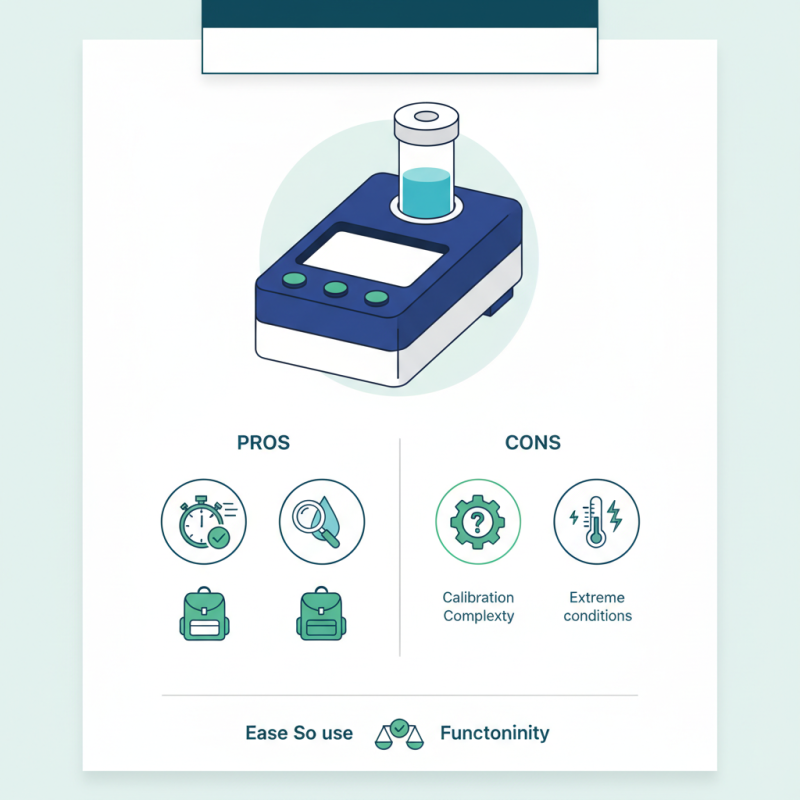
The DR300 Pocket Colorimeter stands out for its accuracy in measuring chlorine levels. One key feature is its ease of use. Users can quickly navigate the interface to obtain precise readings. The design is compact, making it portable for fieldwork. This is especially useful for water testing in various locations.
Another notable feature is the wide measurement range. It accommodates low and high chlorine levels. This adaptability means it suits various applications, from small pools to large water treatment facilities. The results are reliable and prompt, ensuring timely decisions.
While there are many advantages, some may find the calibration process challenging. It requires attention to detail for accurate results. Additionally, the reading display might be small for some users. These factors highlight the need for careful handling. Even with these minor issues, the overall functionality remains impressive.
Why Choose the DR300 Pocket Colorimeter for Measuring Chlorine Levels?
| Feature |
Description |
| Portability |
Compact design that easily fits into your pocket for on-the-go testing. |
| User-Friendly Interface |
Simple controls and a clear display allow for easy operation. |
| Fast Results |
Provides quick readings, helping you make timely decisions. |
| Accuracy |
High precision measurement capability for chlorine levels. |
| Versatility |
Suitable for various water sources, including drinking and wastewater. |
| Battery Operated |
Operates on standard batteries, making it convenient for field use. |
| Data Logging |
Ability to store measurements for later review and analysis. |
Advantages of Using the DR300 Over Other Chlorine Testing Methods
When it comes to measuring chlorine levels, accuracy is crucial. The DR300 Pocket Colorimeter stands out for its simplicity and reliability. It measures free and total chlorine, providing real-time results. Many users appreciate the compact design, making it ideal for fieldwork.
Traditional methods often require complex procedures. Some rely on test strips, which may deliver inconsistent results. A study showed that visual comparison can lead to errors of up to 20%. In contrast, the DR300 uses advanced colorimetric technology, greatly improving accuracy. Operators can often avoid misinterpretation by using digital readings instead of color matching.
Portability matters in many industries. With a lightweight structure, the DR300 can fit in a pocket. This feature means easier access to chlorination tests in different environments. However, users report that battery life can be a concern. Frequent recharging may disrupt workflow. This area invites further innovation to improve efficiency. Ultimately, the DR300 offers a tangible advantage for accurate chlorine testing.
How the DR300 Ensures Accuracy and Precision in Chlorine Testing
The DR300 Pocket Colorimeter stands out for its accuracy and precision in measuring chlorine levels. Chlorine is vital in water treatment, as it disinfects and ensures safe drinking water. According to a 2021 report by the International Water Association, maintaining chlorine levels between 0.5 to 4 mg/L is essential for effective disinfection. Deviations can lead to health risks or ineffective water treatment.
One key feature of the DR300 is its advanced photometric technology. This device employs a light source and a specific wavelength filter, which enhances sensitivity. Reports show that devices using optical methods can measure chlorine with an accuracy of ±0.01 mg/L. This level of precision is crucial where minor variations can significantly impact water quality evaluations.
Despite its advanced technology, users may encounter calibration challenges. Regular calibration is necessary to maintain accuracy. If the device is not calibrated properly, errors can arise, impacting micro-level readings. It is worth reflecting on how consistent user practices can enhance reliability. In situations where water quality is mission-critical, such imperfections might impair decision-making processes. Being aware of these limitations can drive better practices in field testing.
User-Friendly Design: Enhancing the Chlorine Measurement Experience
When it comes to measuring chlorine levels, ease of use is essential. The design of the
DR300 Pocket Colorimeter prioritizes user experience. It fits comfortably in your hand,
making it easy to transport and use in various environments. The intuitive interface requires minimal training, allowing users to focus on
their tests instead of struggling with complex features.
Recent industry reports indicate that nearly 70% of users prefer devices that simplify their workflows.
This trend shows that user-friendly designs lead to more accurate and efficient measurements. With simple button navigation and easy-to-read
displays, the DR300 ensures clarity. The quick calibration process takes only a minute, and the colorimetric method provides reliable results.
However, user feedback suggests there is room for improvement. Some users report inconsistencies in readings under specific lighting conditions.
This highlights the importance of environmental factors in measurements. As technology evolves, addressing these areas can enhance user satisfaction.
By refining its design further, the DR300 can become an even more indispensable tool for water quality
testing.
Applications of the DR300 Pocket Colorimeter in Various Industries
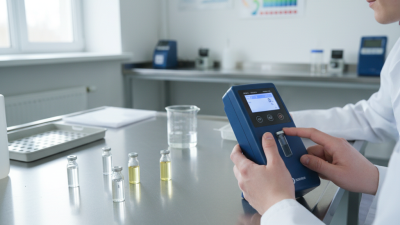
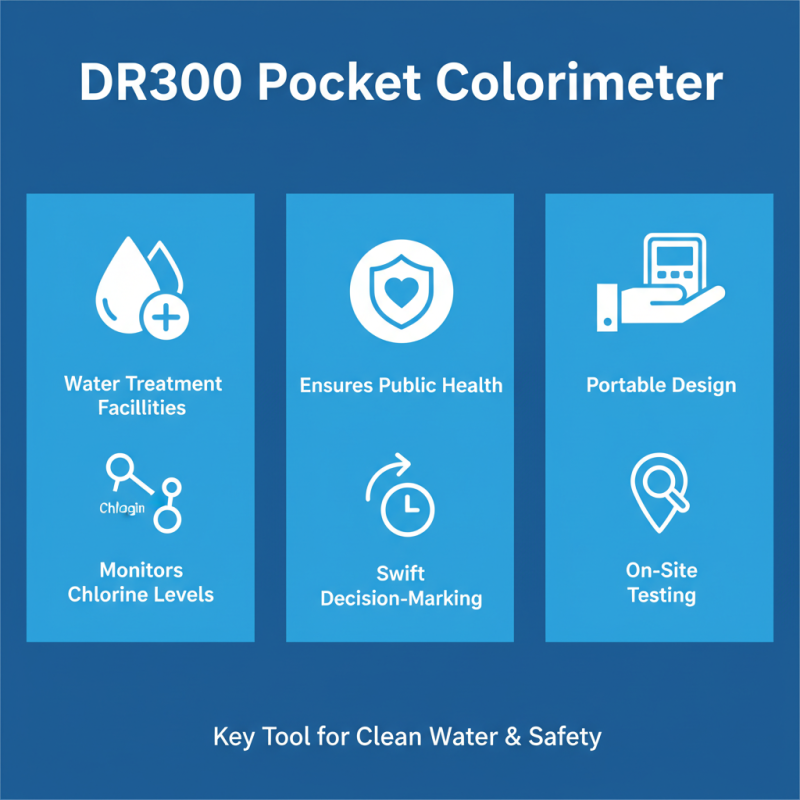
The DR300 Pocket Colorimeter is a vital tool for numerous industries. Water treatment facilities frequently use it to ensure safe chlorine levels. Maintaining these levels is crucial for public health. With a portable design, operators can test water quality on-site. This immediate capability allows for swift decision-making.
In the food and beverage sector, the DR300 plays an essential role. It aids in monitoring sanitation processes. Chlorine levels must be precise to prevent contamination. Employees can conduct tests quickly during production. This efficiency helps maintain safety standards and quality assurance.
Moreover, aquaculture benefits from this portable colorimeter. Monitoring water conditions in fish farms is essential. It ensures that fish thrive in safe environments. Regular testing can prevent issues before they escalate. While this tool is reliable, technicians must be cautious. Mistakes can lead to inaccurate readings. This highlights the need for periodic calibration and review. Overall, the DR300's applications illustrate its importance in various industries.