Discover the Best Pocket Colorimeter for Your Needs?
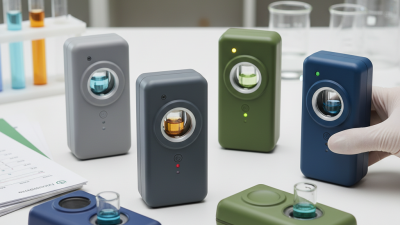
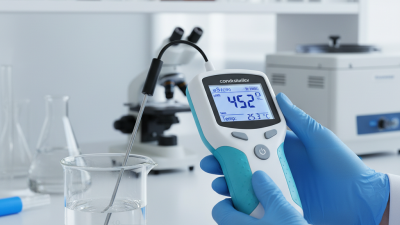
In today’s world, accurate measurement of color is critical in various fields, from environmental testing to food quality assurance. A pocket colorimeter can serve as an excellent tool for these tasks. These compact devices ensure ease of use without compromising precision. When selecting a pocket colorimeter, it's crucial to consider features such as range, calibration options, and portability.
Users often struggle with understanding what makes one model superior over another. The marketplace offers numerous options, which can be overwhelming. Each colorimeter comes with its unique strengths and weaknesses. Knowing your specific needs is key to making an informed choice. Whether you're a professional looking to conduct experiments or a hobbyist aiming for accuracy, it’s essential to evaluate the design and user reviews carefully.
Choosing the right pocket colorimeter is a journey of discovery. Each decision shapes your experience and outcomes. Don't rush the process; explore all available information. Your ideal colorimeter is out there, ready to enhance your projects and applications.
Choosing the Right Pocket Colorimeter: Key Features to Consider
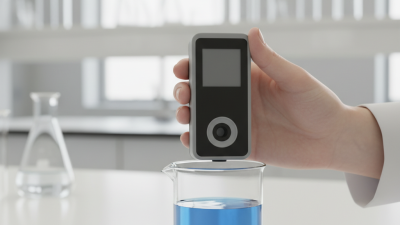
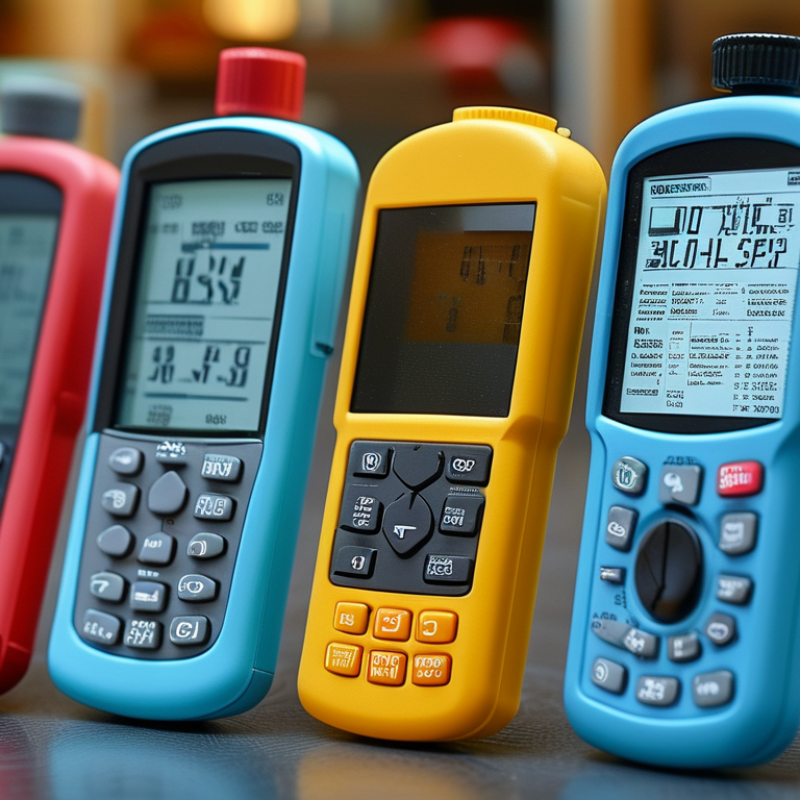
When selecting a pocket colorimeter, functionality is key. These devices help measure the concentration of substances in liquids. Consider portability first.
A lightweight model fits easily in a backpack. A compact size is beneficial for fieldwork. Battery life also plays a significant role; extended use requires dependable power.
Accuracy is essential. Look for a colorimeter with a quick calibration process. Regular calibrations assure precise readings over time. Equally, a model that covers a range of wavelengths offers versatility for different testing needs. Display quality matters too.
A clear, readable screen enhances user experience, especially in varying lighting.
Ease of use can’t be overlooked. An intuitive interface enhances efficiency, especially for beginners. Review user feedback for past experiences. Sometimes, even reliable devices disappoint due to unclear instructions or limited customer support. Robustness can also be a factor; some models may not withstand harsh environments. Consider your specific needs and challenges carefully. Choosing the right pocket colorimeter requires reflection on these essential features.
Understanding Pocket Colorimeter Measurement Accuracy and Calibration Standards
When selecting a pocket colorimeter, understanding measurement accuracy is crucial. Accuracy can greatly impact results. A study from the Journal of Analytical Chemistry indicates that a colorimeter's accuracy should ideally be within ±0.01 absorbance units. This level of precision is essential for laboratories and field studies. Calibration standards play a significant role in achieving this accuracy. Regular calibration against established standards helps maintain reliability.
Calibration protocols differ by application. For example, using ISO 8655 standards contributes to enhanced accuracy in water testing. Without adhering to these guidelines, results may vary inconsistently. This inconsistency can lead to errors in reporting. According to the American Society for Testing and Materials, uncalibrated devices can have errors exceeding 10% in certain ranges.
Investing in a high-quality calibration process is essential. Effective calibration methods can improve measurement consistency. It's not just about accuracy but also about reproducibility. Many users overlook this aspect, leading to potential issues. Inaccurate measurements can mislead decisions in critical areas like environmental monitoring and quality control. Regularly reviewing calibration methods and updating them is essential for optimal performance.
Comparing Pocket Colorimeters for Various Industries: Water, Soil, and Food
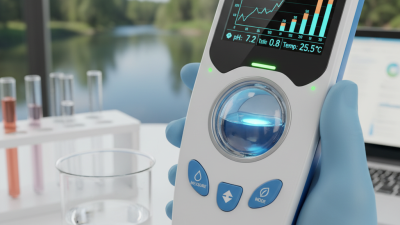
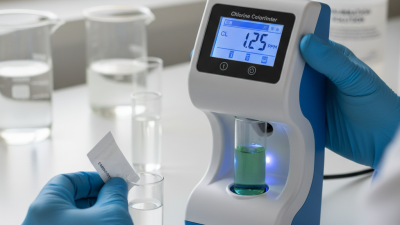
When choosing a pocket colorimeter, consider the specific demands of your industry. For water testing, devices should measure parameters like pH, turbidity, and chlorine levels. Accurate readings are crucial for ensuring safe drinking water and maintaining aquatic ecosystems. Many colorimeters for water require calibration, which can be a hurdle if not done regularly.
In agriculture and soil testing, look for devices that can analyze soil nutrients and pH levels. These readings help in guiding fertilization and irrigation practices, which directly affect crop yield and quality. However, soil composition can vary significantly, making it essential to validate your colorimeter’s accuracy across different sample types.
For food testing, colorimeters can evaluate food quality and safety. In this context, choose a device that can analyze color changes due to ripeness or spoilage. Awareness of these factors helps ensure product quality. Consistency in sample preparation is often overlooked but is essential for reliable results. Relying on user experience and reviews adds another layer of trust when making your selection.
Analyzing Cost-Effectiveness: Budgeting for a Pocket Colorimeter
When budgeting for a pocket colorimeter, understanding the cost-effectiveness is crucial. Many models vary widely in price. It's essential to assess what features you genuinely need and whether they justify the cost. Consider the functionality. Some devices offer basic color measurements, while others provide advanced analytics. Defining your specific requirements can help avoid overspending on unnecessary features.
Think about the long-term investment. Cheaper options may seem appealing but often lack durability. They might require frequent replacements, leading to higher overall costs. Conversely, more expensive models may offer better precision and lifespan. Research is vital. Reading unbiased reviews from experienced users can guide your decision.
Evaluate the manufacturer’s reputation as well. Not all brands equally prioritize reliability. Seek out certifications or industry endorsements. These can provide assurance about the product's quality. However, remember that customer experiences can differ widely. It's wise to gather a range of opinions before making a purchase. Balancing your budget with the need for reliability creates the best outcome.
Discover the Best Pocket Colorimeter for Your Needs - Analyzing Cost-Effectiveness: Budgeting for a Pocket Colorimeter
| Model |
Measurement Range |
Accuracy |
Price ($) |
Features |
| Pocket Colorimeter A |
0 - 200 mg/L |
± 0.1 mg/L |
150 |
Compact design, multiple wavelength options |
| Pocket Colorimeter B |
0 - 500 mg/L |
± 0.2 mg/L |
200 |
USB connectivity, rechargeable battery |
| Pocket Colorimeter C |
0 - 1000 mg/L |
± 0.5 mg/L |
250 |
Data logging capabilities, bright display |
| Pocket Colorimeter D |
0 - 300 mg/L |
± 0.3 mg/L |
100 |
Lightweight, one-button operation |
| Pocket Colorimeter E |
0 - 150 mg/L |
± 0.1 mg/L |
175 |
Auto calibration, rugged case |
Top Brands and Models: A Review of Leading Pocket Colorimeters on the Market
When choosing the right pocket colorimeter, it's essential to understand the variety of options available. Pocket colorimeters are compact devices designed for precise color measurement in various applications, such as water quality testing, beverage production, and research labs. According to recent market analysis, the global pocket colorimeter market is projected to grow at a CAGR of 6% over the next five years, reflecting increasing demand in multiple sectors.
Several brands lead the market by offering reliable and robust models. These devices often feature user-friendly interfaces and high accuracy levels. For instance, many models provide measurements within ±0.01 absorbance, demonstrating their capability to ensure precise results. However, there may be discrepancies in readings influenced by factors like temperature and sample variations. Some users have noted calibration challenges, especially in field conditions where standardization is difficult.
The best models incorporate technology that allows for easy data logging and connectivity options. Advanced features could include Bluetooth compatibility and integrated databases for multiple color standards. Yet, users should remain aware that portability often comes with the trade-off of battery life. Extended use in the field sometimes results in reduced reliability if the device is not recharged regularly. Always consider the specific needs of your application and the operating conditions when selecting a model that fits your requirements.