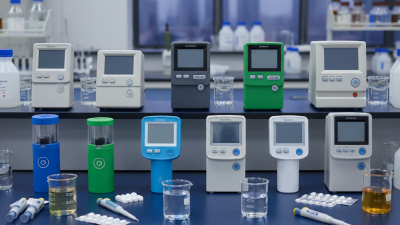
Unlock the Best Pocket Colorimeter for Chlorine Testing Today?
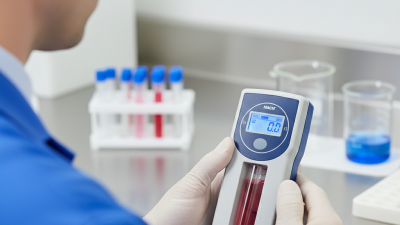
When it comes to water quality testing, accuracy is vital. One essential tool is the pocket colorimeter for chlorine. This compact device measures chlorine levels quickly and precisely. With the rise in water testing needs, choosing the right pocket colorimeter chlorine is important for both professionals and enthusiasts alike.
Many options are available in the market today. Selecting the right one may feel overwhelming. Factors such as price, ease of use, and durability should be considered. The best devices not only provide accurate readings but also offer user-friendly interfaces. Test results can substantially affect safety, making informed choices crucial.
In this guide, we will explore what makes a pocket colorimeter chlorine stand out. We’ll dive into features that enhance user experience and tips for effective testing. Understanding these aspects is key to ensuring reliable water quality analysis. The right choice leads to better results in chlorine testing and overall water management.
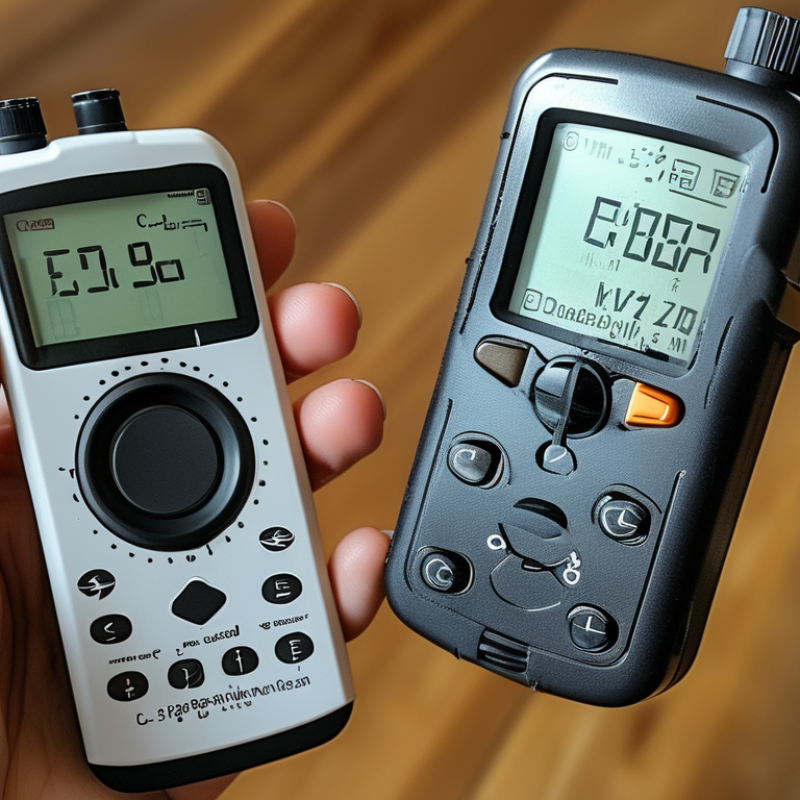
Understanding the Importance of Chlorine Testing in Water Quality
Chlorine plays a crucial role in ensuring water safety. It effectively kills harmful pathogens, making water safe for consumption. According to the World Health Organization, proper chlorine levels in drinking water can reduce the risk of waterborne diseases. Maintaining these levels is vital for public health.
Regular testing for chlorine levels can identify potential issues. A report from the U.S. Environmental Protection Agency states that less than 1 mg/L of chlorine is usually adequate for disinfection. However, too much chlorine can create harmful by-products. These alternatives can also lead to an unpleasant taste and odor in drinking water.
Many communities still struggle to maintain optimal chlorine levels. Inconsistent water testing practices may lead to serious consequences. Some areas fail to measure chlorine properly, resulting in either insufficient disinfection or excessive levels. Investing in reliable testing equipment can help mitigate these risks. By ensuring consistent testing, communities can protect public health while enhancing water quality.
Key Features to Look for in a Pocket Colorimeter for Chlorine
When choosing a pocket colorimeter for chlorine testing, several key features should be prioritized. Accuracy is critical. Studies show that a colorimeter with a detection limit as low as 0.1 mg/L can yield reliable results. This precision is essential for monitoring water quality in pools, spas, and drinking water.
Portability is another crucial aspect. Many professionals prefer lightweight models that fit easily into a field bag. Battery life also plays a role in usability. A device that lasts multiple days on a single charge can enhance efficiency. Additionally, ease of use is vital. Intuitive interfaces with clear displays allow quick interpretation of results, aiding in immediate decision-making.
Consider the testing range as well. A colorimeter should cover a broad spectrum of chlorine concentrations, from free chlorine to total chlorine. Many reliable models offer a range up to 10 mg/L, making them applicable for various environments. While features like Bluetooth connectivity may seem appealing, it's essential to weigh them against durability and water resistance. A device may be high-tech but impractical in challenging conditions.
Top Brands Offering Quality Pocket Colorimeters for Chlorine Testing
When it comes to chlorine testing, pocket colorimeters provide accuracy and convenience. They are essential tools in various fields, including water quality management. Recent industry reports indicate that efficient chlorine measurement is critical for ensuring safe drinking water. According to the Water Quality Association, improper chlorine levels can lead to health risks, making reliable testing devices imperative.
Leading manufacturers focus on creating user-friendly pocket colorimeters. These devices must deliver consistent and accurate results. A 2022 survey by the American Water Works Association found that over 70% of water treatment professionals prefer portable testing options. This trend highlights the growing need for efficient field testing tools. Portable devices reduce downtime and allow quick decision-making in critical situations.
Quality matters significantly in pocket colorimeters. Users often encounter calibration challenges that can affect results. Insufficient calibration practices contribute to inaccuracies. Regular maintenance and recalibration are necessary for reliable data. Furthermore, some users overlook the importance of understanding their devices fully, leading to misuse. Investing time in training is essential for optimal usage and can enhance overall testing reliability.
Chlorine Testing Pocket Colorimeter Performance
How to Properly Use a Pocket Colorimeter for Accurate Results
A pocket colorimeter is a crucial tool for precise chlorine testing, especially in water treatment and swimming pools. To achieve accurate results, users must understand how to operate it properly. Calibration is essential. Many reports emphasize that an improperly calibrated device can lead to significant errors, sometimes exceeding 20% in readings. Therefore, users should calibrate their colorimeter frequently, ideally before each use.
Proper sample collection techniques also matter. Ensure that the water sample is fresh and free from contaminants. A simple method is to rinse the sample cup with the test water before taking the actual measurement. According to industry standards, any foreign substances can skew results and render them unreliable.
Interpreting data requires careful attention. Beyond just reading numbers, users must reflect on what the findings indicate. High chlorine levels, for instance, could signal a need for further investigation. However, what are the physical conditions of the water? Are there any irregularities? Taking time to analyze these results critically can lead to more informed decisions and improved water safety.
Maintenance Tips for Extending the Life of Your Colorimeter
Keeping your pocket colorimeter in top shape is essential for accurate chlorine testing. Regular maintenance is crucial. Start by storing your colorimeter in a protective case. Exposure to moisture can damage the device. Ensure you clean the sensors and cuvettes after each use. Residual chemicals can affect readings. Use a soft cloth for gentle cleaning.
Calibration is another vital aspect. Regularly check your colorimeter's calibration for reliable results. If measurements seem off, recalibrate before conducting tests. You should perform a thorough inspection every few months. Look for any signs of wear or damage. Minor issues can escalate if not addressed promptly.
Battery health can also impact performance. Change batteries as needed to avoid low power issues. A colorimeter that shuts off unexpectedly can ruin tests. Document all maintenance actions. Keeping a log helps track performance over time. You may find patterns that indicate when additional maintenance is needed. Making these practices a part of your routine will help extend the life of your colorimeter.