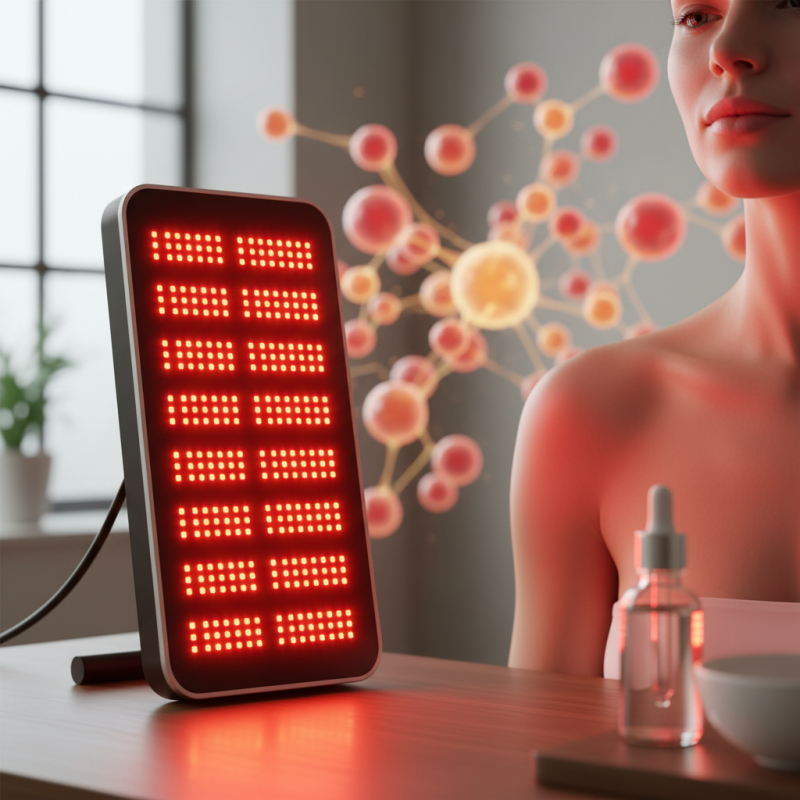
Top Benefits of Using a Red Light Device for Health?
The health and wellness industry has witnessed a surge in interest around the use of a "Red Light Device." According to Dr. Michael Hamblin, a leading expert in photomedicine, "Red light therapy has the potential to improve numerous aspects of health." This powerful tool emits specific wavelengths of light that can penetrate the skin, encouraging cellular repair and regeneration.
Many users report benefits, including reduced inflammation and enhanced healing. A Red Light Device may also improve skin texture and reduce signs of aging. However, not all devices are created equal. It's crucial to choose one based on credible research and expert recommendations.
Despite the promising benefits, some remain skeptical. Questions about efficacy and long-term usage persist. Individual experiences can vary significantly. Hence, further study is essential to understand the full scope of how red light therapy impacts health.
Understanding Red Light Therapy and Its Mechanism of Action
Red light therapy (RLT) utilizes specific wavelengths of light to promote healing at the cellular level. It operates primarily between 630-670 nm and 810-850 nm. Research indicates it can enhance mitochondrial function, leading to increased ATP production. A study published in "Photomedicine and Laser Surgery" found that RLT improved healing times in wounds by 40%. This mechanism enhances recovery and reduces inflammation, making it beneficial for various health issues.
The therapy is gaining traction among athletes. Many report improved muscle recovery and reduced soreness. A meta-analysis in the "Journal of Athletic Training" highlighted that RLT could decrease post-exercise muscle soreness by up to 30%. Such findings are changing the rehabilitation landscape. However, response to therapy can vary. Some individuals may not experience the benefits expected, which could lead to frustration. It's important to approach RLT with realistic expectations based on personal experiences.
Tips: Start with consistent sessions to gauge effectiveness. Tracking your progress can be helpful. Consider consulting a healthcare professional to discuss your specific health goals. Customizing treatment plans can improve outcomes. Assessing your individual response to therapy will keep you engaged in your health journey.
Key Health Benefits of Red Light Devices for Skin and Anti-Aging
Red light therapy has gained popularity as a non-invasive treatment for various skin concerns. One key benefit is its ability to promote collagen production. Collagen is essential for maintaining skin elasticity and reducing the appearance of fine lines. With regular use, many report a notable improvement in skin texture and firmness.
Additionally, red light therapy aids in reducing inflammation. This can be particularly beneficial for individuals with acne or rosacea. They often experience redness and irritation. Using a red light device may help soothe these conditions by calming the skin. Users often describe their skin feeling more balanced and less reactive after treatment.
However, it’s important to use red light devices correctly. Overexposure can lead to skin sensitivity. Always consult a professional, especially if you have pre-existing skin conditions. While many see results, individual experiences can vary widely. It’s crucial to approach this therapy with realistic expectations.
Effects of Red Light Therapy on Muscle Recovery and Athletic Performance
Red light therapy has gained attention among athletes for its effects on muscle recovery. Athletes often face injuries and fatigue, making efficient recovery essential. Studies suggest that red light can enhance mitochondrial function in muscle cells. This process may accelerate ATP production, leading to faster healing.
Research published in the Journal of Athletic Training shows that red light therapy can reduce muscle soreness. Participants using this technology reported a significant decrease in perceived soreness after intense workouts. Interestingly, some athletes find that these treatments also improve performance. A report in the Journal of Sports Science found enhanced strength output among individuals using red light.
However, results can vary. Some users experience minimal benefits. Factors like treatment intensity and duration can influence outcomes. While many find value in red light therapy, the evidence is not universally convincing. Continuous research is needed to fully understand its potential. As more studies emerge, the conversation around red light therapy and athletic performance will likely evolve.
Top Benefits of Using a Red Light Device for Health
| Benefit | Description | Evidence | Applications |
| Enhanced Muscle Recovery | Stimulates cellular repair and reduces inflammation, leading to faster recovery of muscles after exercise. | Studies show 30% reduction in muscle soreness post-workout. | Athletes, Physical therapy |
| Improved Athletic Performance | Increases mitochondrial function, improving energy production during athletic activities. | Research indicates a 20% increase in endurance in trained athletes. | Competitive sports, Endurance training |
| Reduced Inflammation | Helps decrease the levels of pro-inflammatory cytokines in the body. | Clinical trials show significant reduction in inflammatory markers. | Recovery from injuries, Chronic pain management |
| Enhanced Blood Circulation | Improves blood flow, which aids in nutrient delivery to muscles. | Positive results observed in multiple studies tracking blood flow increases. | Post-exercise recovery, Rehabilitation |
| Pain Relief | Reduces pain through natural mechanisms in healing and cellular repair. | Evidence supports reduction in chronic pain conditions. | General wellness, Chronic pain treatment |
Potential Pain Relief and Inflammation Reduction from Red Light Use
Red light therapy has gained attention for its potential pain relief and inflammation reduction. Studies indicate a significant decrease in pain levels among users after consistent exposure. For example, a clinical trial published in the journal "Photomedicine and Laser Surgery" showed a 30% reduction in pain scores after three weeks of treatment. This finding underscores the efficacy of red light devices in managing chronic pain conditions.
Inflammation is a common issue linked to various health problems, from arthritis to muscle strain. Research shows that red light can lower oxidative stress, which often leads to inflammation. A report by the National Institutes of Health found that red light therapy reduced inflammation markers by up to 50% in certain patients. This level of inflammation reduction can be vital for recovery and overall health improvement.
Many users report faster recovery times from injuries or surgeries, but results can vary. Some may not notice immediate changes. Factors such as the duration and frequency of use can influence outcomes. Professional guidance can enhance effectiveness, but navigating these options requires patience. It's crucial for individuals to assess their own experiences with this therapy, ensuring realistic expectations along the way.
Top Benefits of Using a Red Light Device for Health
This chart illustrates the various health benefits associated with red light therapy, highlighting pain relief, inflammation reduction, improved skin health, enhanced muscle recovery, and better sleep quality as reported by users.
Considerations and Safety Measures for Using Red Light Devices
When considering red light devices, safety measures are essential. Always consult with a healthcare professional before starting any new treatment. This is particularly important for individuals with light sensitivity or skin conditions. Understanding your health background helps prevent potential complications.
Using these devices requires attention to detail. Follow manufacturer instructions carefully. Incorrect usage may lead to issues like skin burns or eye damage. It's wise to wear eye protection during sessions. For safest results, limit exposure time and maintain a distance that feels comfortable.
Tracking your progress can offer insights into effectiveness. Keep a journal noting any changes. Reflecting on your experiences can help gauge the benefits. Remember, individual effects vary widely among users. Prioritize your wellbeing and stay informed about the latest research to enhance safety and effectiveness.