2026 Top Photonmaster Luminometer Innovations and Applications Guide?
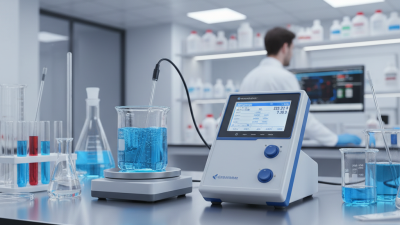
Advancements in technology often reshape scientific practices. The photonmaster luminometer stands out as a vital tool in this evolution. It's designed for precise luminescence measurement. Researchers and laboratories frequently rely on it for accurate results in various applications.
The 2026 guide explores the latest innovations surrounding the photonmaster luminometer. These innovations enhance performance, reliability, and user experience. This guide provides insights into how these advancements impact research quality. However, it is crucial to consider potential limitations and challenges linked to these technologies.
Understanding the nuances of these tools is essential for effective usage. As with any innovation, continuous improvements are necessary. The community's feedback can shape future developments. This guide aims to navigate through both the strengths and areas for growth within the photonmaster luminometer applications.
2026 Photonmaster Luminometer Overview and Key Features
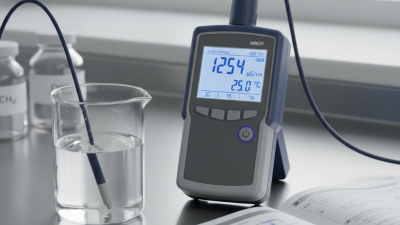
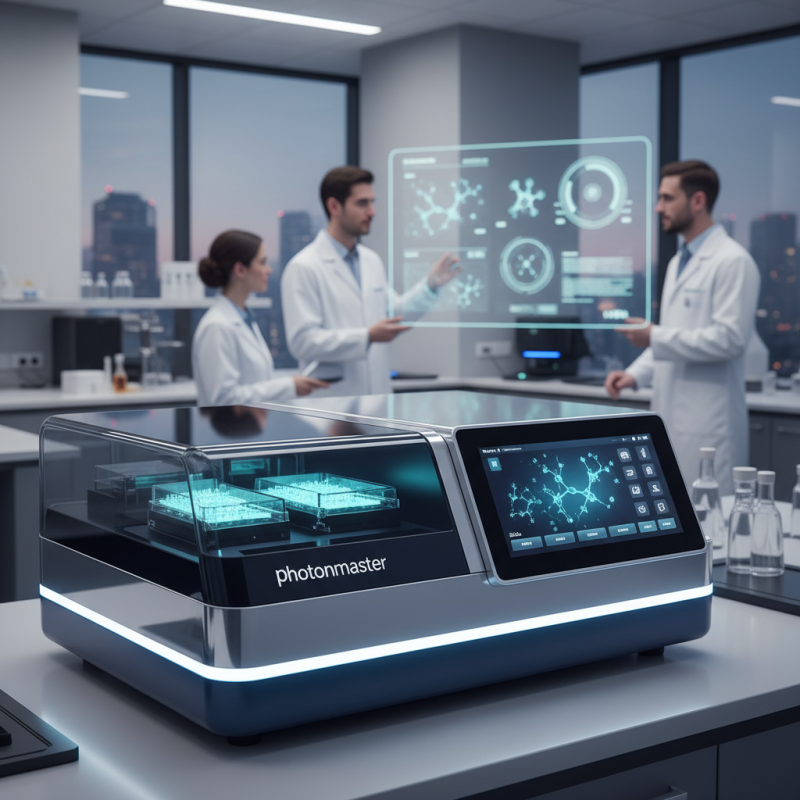
The 2026 Photonmaster Luminometer introduces exciting advancements in luminometry. This guide highlights its key features and practical applications. Equipped with an advanced detection system, the device ensures high sensitivity and accuracy. Users can expect reliable readings with minimal interferences.
The innovative software interface helps streamline data management. Customizable settings allow researchers to adapt the device for various assays. This flexibility improves efficiency in different laboratory environments. While the device excels in performance, there may be a learning curve for new users. Training sessions are beneficial to maximize its potential.
Moreover, the integration of artificial intelligence enhances result analysis. However, reliance on technology can be a double-edged sword. Data interpretation requires human expertise to ensure accuracy. The 2026 Photonmaster Luminometer truly redefines luminometry, but thoughtful consideration is essential for its optimal use.
2026 Top Photonmaster Luminometer Innovations and Applications Guide
| Innovation/Feature |
Description |
Application Area |
Advantages |
| High Sensitivity Detection |
Capable of detecting low levels of light emitted from samples. |
Biomedical Research |
Allows for the analysis of trace biomolecules. |
| Real-time Data Analysis |
Provides instant feedback on measurements. |
Clinical Diagnostics |
Speeds up decision-making processes. |
| Multi-Channel Detection |
Simultaneously measures multiple wavelengths. |
Environmental Monitoring |
Enhances efficiency in data collection. |
| User-Friendly Interface |
Designed for ease of use with intuitive controls. |
Laboratory Settings |
Reduces training time for new users. |
| Compact Design |
Small footprint for limited bench space. |
Mobile Laboratories |
Enhances portability and convenience. |
Recent Innovations in Photonmaster Luminometer Technology
Recent advancements in photonmaster luminometer technology have significantly enhanced the precision and efficiency of luminescence measurements. According to a recent market analysis, the global luminometer market is projected to reach $650 million by 2026, bolstered by innovations in sensitivity and automation. New sensor technologies have been developed that minimize background noise, improving signal clarity. This is crucial for applications in clinical diagnostics and environmental monitoring, where accurate readings are essential.
The integration of artificial intelligence in luminometers is another exciting trend. AI algorithms can analyze data patterns faster and with greater accuracy, which optimizes experimental outcomes. Researchers can now engage in real-time data analysis, allowing them to make timely decisions. However, the complexity of these systems can pose challenges. Users must be trained adequately to leverage these capabilities fully.
Tip: Always calibrate your luminometer before use. Calibration ensures that readings are consistent and reliable. Regular maintenance can also prolong instrument lifespan and enhance performance. Experimentation often brings unforeseen variables that may affect results. Thus, maintaining a record of deviations is vital for future assessments.
Applications of Photonmaster Luminometers in Scientific Research
Photonmaster luminometers have become indispensable tools in scientific research. Their role in measuring light is crucial for a variety of applications. Researchers utilize these devices to analyze biochemical reactions and track cellular processes. Precise measurements can lead to groundbreaking discoveries. The advancements in luminometer technology improve sensitivity and efficiency in research settings.
Researchers should consider the calibration of their luminometers regularly. Calibrating ensures accurate results and enhances reliability. Using controls during experiments can mitigate variability. This practice allows for more valid comparisons between data sets. Additionally, proper maintenance of these instruments extends their lifespan.
Having a solid understanding of the underlying principles is essential. Researchers often face challenges when interpreting results. Familiarity with the specific application of luminometers can minimize mistakes. Collaborating with experienced colleagues is beneficial. They often provide insights that enhance scientific understanding.
Comparative Analysis of Photonmaster Luminometers and Competitors
When evaluating luminometers, a comparative analysis reveals key differences in performance metrics. Photonmaster luminometers often excel in sensitivity and precision compared to their competitors. Users report greater accuracy at lower light levels, making them ideal for various applications in research and diagnostics. However, the ease of use can vary. Some users find other brands more intuitive, which can lead to frustration during critical experiments.
Tips: Always check the technical specifications for each model. This will ensure that you select a device suited for your specific needs. Also, consider the software compatibility. Some instruments require unique software that might complicate data analysis.
Another aspect to consider is the cost-effectiveness of these luminometers. Photonmaster instruments often come with higher upfront costs. Nonetheless, their performance could justify the investment in the long run. This creates a dilemma for researchers balancing budget constraints with the need for reliable data.
Tips: Don’t hesitate to ask for demonstration units if possible. Seeing the equipment in action can help clarify usability and performance. Also, asking for user reviews from different scientific communities might provide valuable insights into real-world applications.
Future Trends and Developments in Luminometer Technology
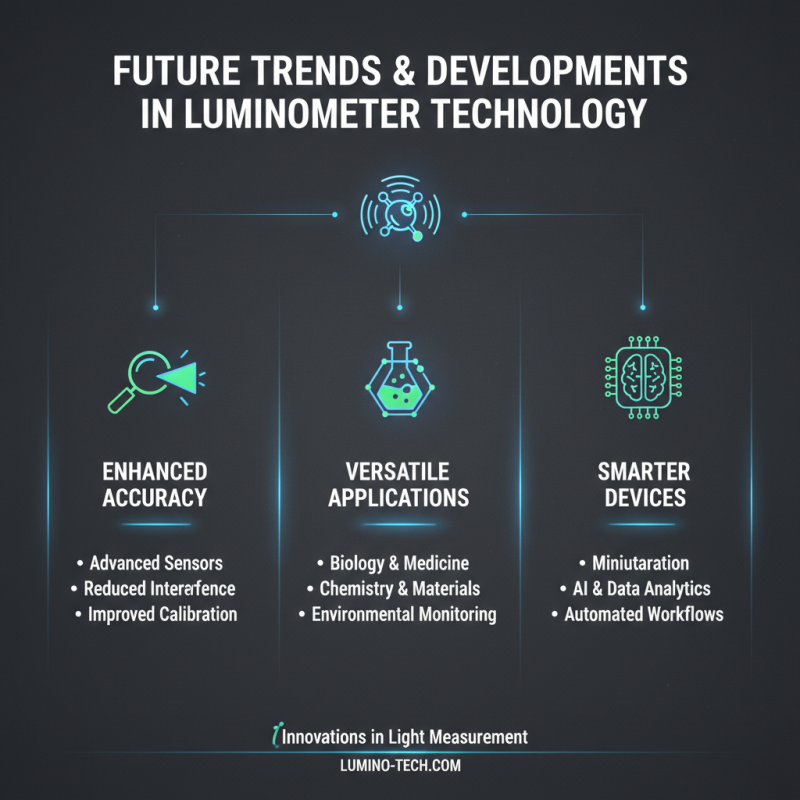
The future of luminometer technology is exciting. Innovations are shaping how we measure light and enhance accuracy. These devices are crucial in various fields, including biology, chemistry, and environmental science. They help researchers understand complex reactions and track changes in samples.
Trends indicate a shift towards more compact, user-friendly models. Advanced sensors enhance sensitivity and accuracy. Many systems now integrate artificial intelligence for data analysis. This allows quicker insights and improved decision-making processes. However, as technology advances, diligence is required. Calibration becomes more complex, and user training is essential to prevent errors.
Additionally, cost remains a challenge. As innovative features are added, some devices become more expensive. Researchers must weigh the benefits against the costs. Accessibility can be an issue in some regions. This requires careful consideration to ensure that advancements in science remain equitable. Balancing innovation with reliability is vital for future developments.